• Skip to main content
  • Skip to secondary menu
  • Skip to footer

Travel Marketing

Travel and Tourism Trends

  • Sponsored Post
  • Travel Event Calendar
  • Travel Market
  • Travel Magazine
  • About
  • Contact

The one-size-fits-all approach to travel marketing has almost never worked

May 5, 2026 By admin Leave a Comment

Mont Saint-Michel draws three and a half million visitors a year. On the causeway, they are indistinguishable from one another—a slow procession of cameras and daypacks moving toward the same spire under the same gray Norman sky. They booked through different platforms, arrived from different countries, and carry entirely different expectations. The marketing that brought each of them here, however, almost certainly told the same story.
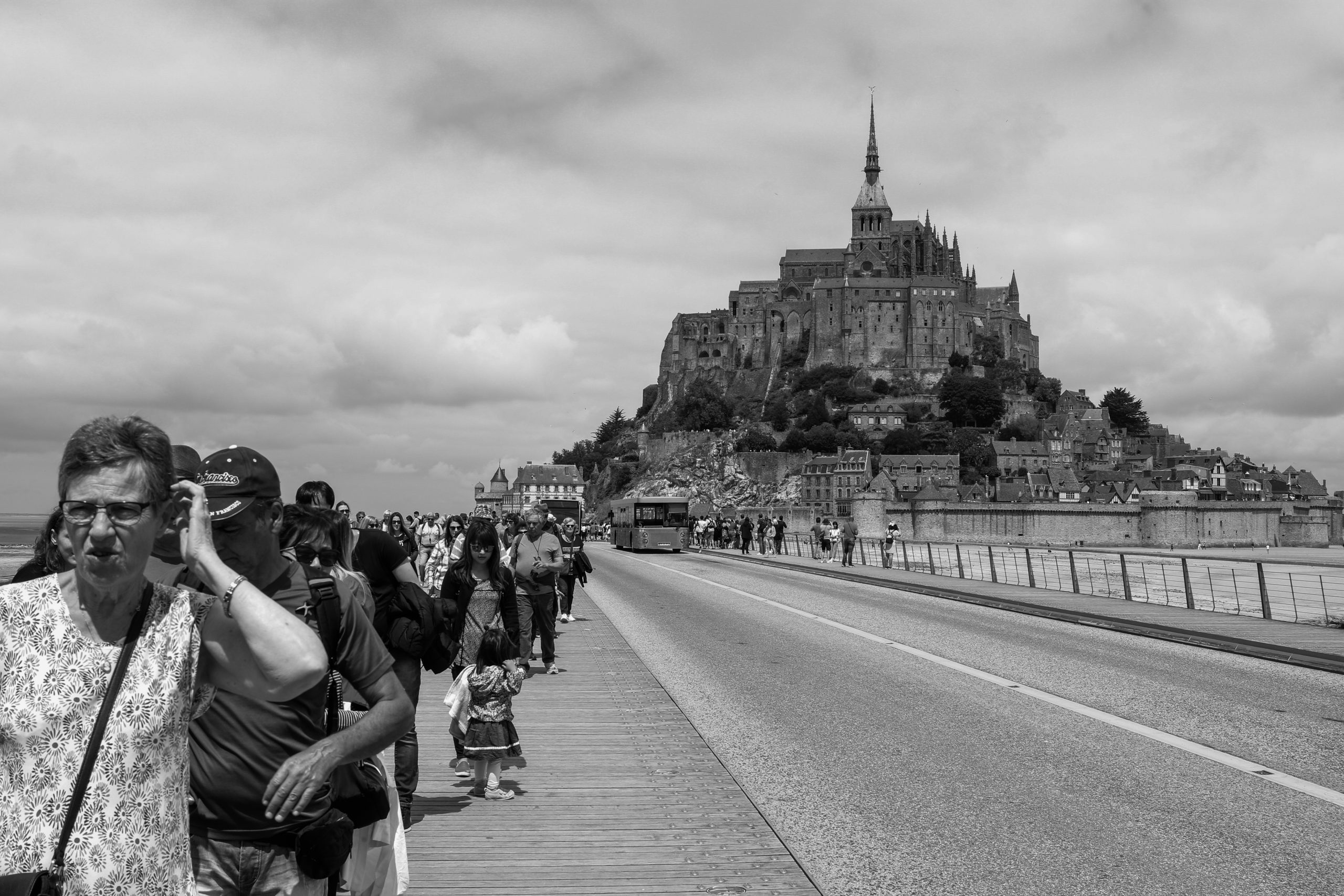
Mont-Saint-Michel, Normandy, France

That is the central failure of destination-level travel marketing, and it is not a new problem. The postcard image—the abbey on its tidal rock, romantic and remote—sells a place that most visitors will not actually experience. They will experience a shuttle bus, a queue, and a gift shop. The gap between the marketed version and the lived version is where brand trust quietly erodes.

The industry has known this for decades. The response has been slow because the economics of mass-market travel historically rewarded volume over match quality. A seat filled is a seat filled, regardless of whether the traveler was the right traveler for that product. Personalization was expensive, and the tools to execute it at scale did not exist.

They exist now. Travel companies with large data footprints—OTAs, hotel chains, cruise operators—can now segment not just by demographic but by behavioral signal: past booking patterns, search sequences, dwell time on specific property types, stated preferences versus revealed ones. The result is a marketing layer that can theoretically route a traveler toward the product that fits them before they know what they are looking for.

The practical application is more modest than the promise. One-stop-shop booking tools that consolidate hotels, vacation rentals, activities, and transportation into a single itinerary interface have meaningfully reduced friction. A travel advisor or independent planner can now build and price a complete package—accommodation type, property images, add-on activities—without toggling between six separate platforms. That compression of the workflow matters. It shifts advisor time from logistics to actual client matching.

What has not changed is the underlying challenge of desire. Travelers often do not know what they want until they see something they did not expect. The Mont Saint-Michel causeway works as a photograph. It works less well as an afternoon in peak July. The marketing that performs best in the current environment is the kind that acknowledges this—that sets accurate expectations, distinguishes peak-season crowd conditions from off-season solitude, and treats the traveler as someone who can handle specificity.

The continued migration from analog to digital booking—from travel agents with paper brochures to self-directed online research—has not simplified travel decision-making. It has multiplied the number of inputs without improving the quality of filtering. Personalization technology closes some of that gap. It does not close all of it, and it does not substitute for the simpler discipline of honest marketing: selling the trip that exists, to the traveler who actually wants it.

Filed Under: News Tagged With: France, Mont-Saint-Michel, Normandy, Travel planning

Reader Interactions

Leave a Reply Cancel reply

Your email address will not be published. Required fields are marked *

Footer

Recent Posts

  • Holland America Line Adds Flåm and Hellesylt to Five 2027 Norway Fjord Cruises
  • La Cité du Vin, Bordeaux: The Building That Looks Like Wine in a Glass
  • EU Border Delays: ETIAS Pre-Travel Authorization Pushed to Late 2026 as EES Chaos Continues
  • Toledo’s Old Town: A Mudéjar Watchtower Hiding an Antiques Shop
  • Piazza del Duomo, Catania: Where a Black Lava Elephant Guards Sicily’s Baroque Heart
  • Château de Fougères: Inside Europe’s Largest Medieval Fortress
  • Château de Vitré: The Medieval Fortress Guarding Brittany’s Eastern Gate
  • Miroir d’eau at Blue Hour: Bordeaux’s Water Mirror Comes Alive
  • Blue Hour on the Garonne: Dinner Cruises and Bike Traffic Along Bordeaux’s Quays
  • Bourse Maritime, Bordeaux: A Night Scene Along the Garonne

Media Partners

  • Virtual Travel Guide
  • Ancient Rome
Lisbon’s Seven Hills: A Walking Guide That Tells You the Truth
New Orleans: An American City That Plays by Different Rules
Ha Long Bay Without the Cruise Brochure
Istanbul at the Threshold: A City That Has Always Been Two Things at Once
Iceland’s Ring Road: What the Drive Teaches You That No Photograph Can
Marrakech’s Medina: How to Read a City That Was Not Designed for You
Torres del Paine: What You Are Actually Getting Into
Kyoto in Autumn: What the City Looks Like When the Maples Turn
Disneyland Paris Rewrites Its Script With World of Frozen and Disney Adventure World
Wallace Fountain: Carrying Water, Carrying Values
Water Across the Empire: Roman Aqueducts and the Hydraulic Logic of Conquest
The Oath of the Horatii: David's Roman Republic in Paint
Jean-Léon Gérôme: The Victorian Gaze on Rome
Ostia: The Port That Fed Rome
Roman Naval Warfare: The Sea They Called Their Own
The Roman Grain Ship: How Rome Fed Itself Across the Sea
Trajan's Column: Rome's Greatest Comic Strip
Caesarea Maritima: A Roman City Built from Nothing
Damnatio Memoriae: Rome's War on Memory
Faustina the Younger: The Woman Behind the Philosopher Emperor

Media Partners

The Immersive Experience in the Museum World
Japan, China, and Taiwan: A New Triangle of Risk — and a Window of Opportunity for Japan
Ghost Kitchens as Infrastructure: The Shift from Restaurants to Intelligent Food Networks
The Zoom Divide Nobody Saw Coming
The Perfect Budget Content-Creator Kit
Reimagining Prague’s Tourism Future Through Immersive Media and VR Museums
Israel’s Urban Paradox: Tel Aviv Moves, the Rest Stand Still
American Express Global Business Travel (GBTG): Understanding the Business and the Investment Case
Why the Canon R8 Paired With the New RF 45mm f/1.2 Lens Quietly Becomes the Content Creator’s Sweet-Spot
The Future of Travel: A $15.5 Trillion Industry

Copyright © 2026 Travel Marketing

Media Partners: Timey · Publishing House · Ancient Rome · Photography · Calendarial · Transportational