Princess Cruises is making a very long-range bet on the future of cruising, and it is not a small one. The line has signed three new shipbuilding agreements with Fincantieri for a fresh class of cruise ships that will arrive in late 2035, 2038, and 2039, extending the brand’s expansion horizon well into the next decade. The new vessels, to be known as the Voyager class, are set to become the largest ships in the Princess fleet, each measuring 183,000 gross tons and carrying around 4,700 guests. Built in Monfalcone, Italy, they will push Princess further into the era of large-scale, LNG-powered cruising while also signaling that Carnival Corporation still sees substantial growth ahead for the cruise market.
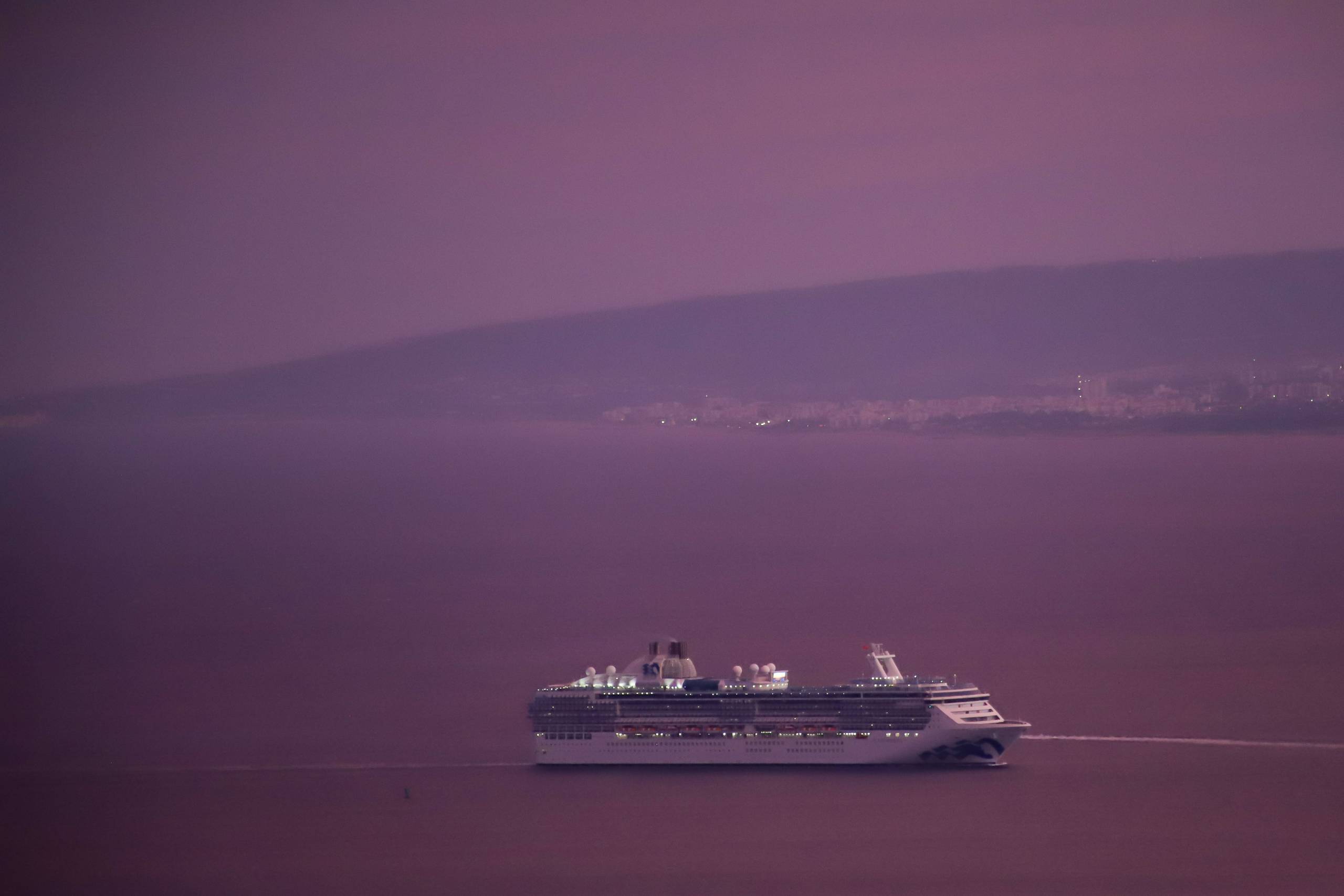
What makes this announcement notable is not just the number of ships, but the timing and the platform strategy behind them. Princess is framing the Voyager class as a next-generation evolution of its current Sphere Class success, rather than a radical break from what already works. That matters. Cruise lines rarely throw away proven formulas when customer satisfaction is strong; instead, they refine, enlarge, and selectively reinvent. Princess is clearly following that playbook here. The company says these ships will carry forward the most popular and highly rated parts of the existing guest experience while redesigning outer decks, staterooms, and the Piazza concept for a broader and more globally oriented passenger base. In other words, this is not a cosmetic update. It sounds more like a full-scale reworking of the shipboard experience around what Princess believes travelers now want most.
The emphasis on outer decks and public spaces is especially telling. Cruise ship design has increasingly become a contest over how well a brand can turn its ships into floating destinations in their own right, not merely transport and lodging. Pool areas, promenades, open-air lounges, and signature gathering spaces now matter almost as much as itinerary, maybe more in some segments. Princess appears to understand that its future ships need to feel more contemporary, more flexible, and perhaps more visually dramatic, while still preserving the brand’s traditional strengths in dining, entertainment, and overall comfort. That balance is tricky. Loyal Princess guests tend to value familiarity, but attracting younger travelers and first-time cruisers often requires a product that looks and feels unmistakably new.
The LNG angle is also central to the message. Like Sun Princess and Star Princess, the Voyager-class ships will be dual-fuel vessels powered primarily by liquefied natural gas. Princess and Carnival are presenting LNG as the best readily available advanced marine fuel for reducing greenhouse gas emissions and lowering air pollutants relative to conventional fuels. That language reflects where the cruise industry currently stands: LNG is not a final answer to long-term maritime decarbonization, but it is the practical large-scale option cruise operators can deploy now. For Carnival, these three ships will become its 19th, 20th, and 21st LNG-based vessels, underscoring how much of its fleet strategy is now tied to this fuel pathway.
From a business standpoint, the announcement is as much about industrial planning as it is about hospitality. For Fincantieri, these contracts help lock in workload through 2039, giving the Italian shipbuilder long-duration visibility and reinforcing its role as one of the cruise industry’s key strategic partners. For Princess and Carnival, the orders show confidence in long-term consumer demand for cruise vacations, even at a time when shipbuilding costs, financing conditions, environmental scrutiny, and geopolitical uncertainty all make ultra-long-range commitments a little more fraught than they used to be. Still, cruise companies do not place orders like this unless they believe scale, efficiency, and product differentiation will continue to matter deeply in the market fifteen years from now.
The wording from Princess leadership also offers a clue about how the line sees competitive pressure evolving. Gus Antorcha’s remarks point to a design process shaped by both guest and travel advisor research, which suggests the company is trying to reduce risk by grounding innovation in known preferences rather than abstract trend-chasing. That is probably the smarter path. The cruise business can get a bit carried away with spectacle, but the ships that succeed over time are usually the ones that make everyday onboard life feel better, smoother, and more memorable in dozens of small ways. Better pool environments, more coherent public spaces, stronger dining, smarter cabins, more flexible entertainment venues — those are not flashy promises, but they are often what actually moves satisfaction and repeat bookings.
This also fits the broader Carnival Corporation fleet story. The three Princess orders are part of a wider pipeline that already includes seven additional ships due between 2027 and 2033. That means Carnival is not merely refreshing individual brands; it is steadily reshaping the physical structure of its fleet across the decade. In that context, the Voyager class is not an isolated headline but part of a coordinated modernization effort meant to keep cruising attractive as a mainstream vacation choice. The company is effectively betting that newer ships with stronger onboard economics, larger guest capacity, and more efficient fuel systems will help drive demand while also supporting profitability.
For Princess specifically, the Voyager class may end up defining what the brand looks like in the late 2030s. That is a long way off, obviously, and the company is leaving many details for later, including design specifications and a fuller amenities breakdown. Even so, the outline is already clear enough. Princess is going bigger, more technologically current, and more globally minded, while trying not to lose the brand identity that made it strong in the first place. That tension between continuity and reinvention runs through almost every major cruise order now, but here it feels particularly deliberate. Princess is not just adding capacity. It is trying to shape its next era before the old one has even fully matured.