• Skip to main content
  • Skip to secondary menu
  • Skip to footer

Travel Marketing

Travel and Tourism Trends

  • Sponsored Post
  • Travel Event Calendar
  • Travel Market
  • Travel Magazine
  • About
  • Contact

Noctourism: Why Travelers Are Choosing the Dark

March 30, 2026 By admin Leave a Comment

It’s past midnight on Kraków’s Rynek Główny. A woman in a black coat and top hat sits motionless on the driver’s bench of a white carriage, reins loose in her hands. Two dark horses wait in front of her, their ornate silver-studded harnesses catching the ambient glow of the square. Red flowers are pinned to their bridles. The lit facades of centuries-old tenements rise behind them. Nobody is rushing. Nobody is posing for a photo. The scene simply exists — and you’re the only one watching it.
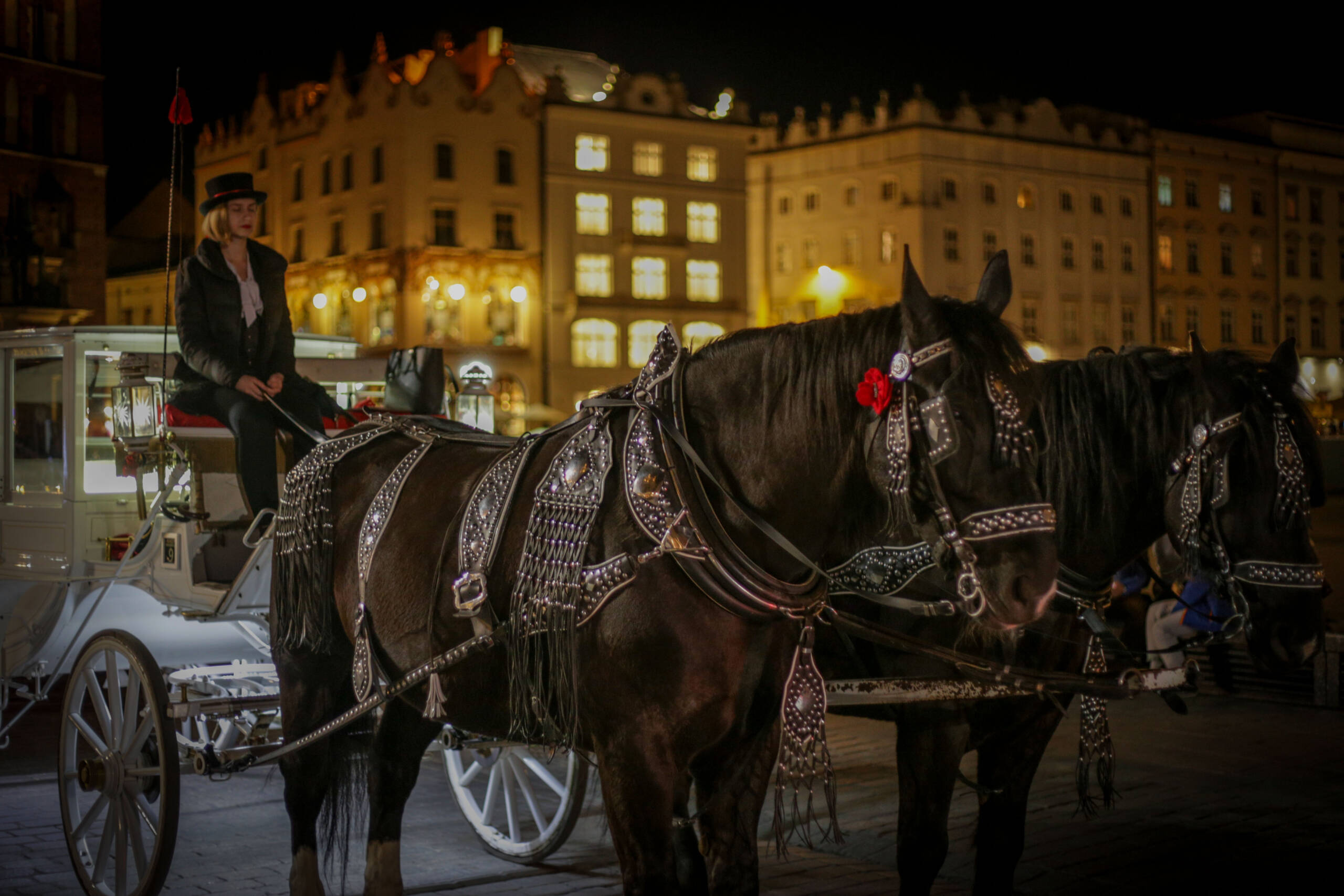
Noctourism: Why Travelers Are Choosing the Dark

This is noctourism. And it’s quietly reshaping how serious travelers think about place.

Noctourism is the practice of building a trip around the experience of destinations at night. Not just a late dinner or a rooftop drink, but a genuine reorientation of itinerary logic: sleep in the afternoon, move at midnight, let darkness become the medium.

The appeal is partly practical. Crowds evaporate. The Colosseum without buses and selfie sticks is a different monument. The Medina in Fez at 2am belongs to you and the cats. Popular spots that feel like airport terminals by day recover something ancient after dark.

But noctourism isn’t just about avoiding crowds. It’s about accessing a layer of a place that most visitors never reach. Cities have different sonic textures at night. Neighborhoods shift. The social geography reorganizes — workers heading home, markets closing down, the infrastructure of daily life briefly exposed. It’s closer to how residents actually experience a place than any curated daytime tour could be.

The movement has also been accelerated by light pollution awareness. Travelers are seeking out dark-sky destinations — rural Morocco, the Atacama, Northumberland National Park — specifically to experience the sky as most of human history did. Night becomes not an absence of the view but the view itself.

Hotels and tour operators are catching on. Midnight architecture tours, after-hours museum access, bioluminescent kayak excursions, nocturnal wildlife safaris. The infrastructure for serious night travel is quietly being built.

The question noctourism keeps asking is simple: what are you missing by going to bed?

Filed Under: News

Reader Interactions

Leave a Reply Cancel reply

Your email address will not be published. Required fields are marked *

Footer

Recent Posts

  • St Mark’s Basilica in Venice: The Gold Mosaics Are Dimmer Than the Photographs Suggest
  • China Fines Trip.com $770 Million for Locking Hotels Into Exclusive Deals
  • Château de Monbazillac, Dordogne: A difficult childhood. One château too many.
  • Fora Hits $1 Billion Valuation as AI Transforms the Future of Travel Planning
  • The Open Kitchen Experience: Dining Where You Can Watch the Cooking
  • Holland America Line Adds Flåm and Hellesylt to Five 2027 Norway Fjord Cruises
  • La Cité du Vin, Bordeaux: The Building That Looks Like Wine in a Glass
  • EU Border Delays: ETIAS Pre-Travel Authorization Pushed to Late 2026 as EES Chaos Continues
  • Toledo’s Old Town: A Mudéjar Watchtower Hiding an Antiques Shop
  • Piazza del Duomo, Catania: Where a Black Lava Elephant Guards Sicily’s Baroque Heart

Media Partners

  • Virtual Travel Guide
  • Ancient Rome
The 18th-Century Fountain Hidden Inside Bordeaux’s Customs Museum Courtyard
The Bilbao Effect, 500 Years Early: Jerónimos Monastery And The Guggenheim
Bilbao’s Quiet Renaissance: From Industrial Port to Design Destination
Lisbon’s Seven Hills: A Walking Guide That Tells You the Truth
New Orleans: An American City That Plays by Different Rules
Ha Long Bay Without the Cruise Brochure
Istanbul at the Threshold: A City That Has Always Been Two Things at Once
Iceland’s Ring Road: What the Drive Teaches You That No Photograph Can
Marrakech’s Medina: How to Read a City That Was Not Designed for You
Torres del Paine: What You Are Actually Getting Into
Water Across the Empire: Roman Aqueducts and the Hydraulic Logic of Conquest
The Oath of the Horatii: David's Roman Republic in Paint
Jean-Léon Gérôme: The Victorian Gaze on Rome
Ostia: The Port That Fed Rome
Roman Naval Warfare: The Sea They Called Their Own
The Roman Grain Ship: How Rome Fed Itself Across the Sea
Trajan's Column: Rome's Greatest Comic Strip
Caesarea Maritima: A Roman City Built from Nothing
Damnatio Memoriae: Rome's War on Memory
Faustina the Younger: The Woman Behind the Philosopher Emperor

Media Partners

The Immersive Experience in the Museum World
Japan, China, and Taiwan: A New Triangle of Risk — and a Window of Opportunity for Japan
Ghost Kitchens as Infrastructure: The Shift from Restaurants to Intelligent Food Networks
The Zoom Divide Nobody Saw Coming
The Perfect Budget Content-Creator Kit
Reimagining Prague’s Tourism Future Through Immersive Media and VR Museums
Israel’s Urban Paradox: Tel Aviv Moves, the Rest Stand Still
American Express Global Business Travel (GBTG): Understanding the Business and the Investment Case
Why the Canon R8 Paired With the New RF 45mm f/1.2 Lens Quietly Becomes the Content Creator’s Sweet-Spot
The Future of Travel: A $15.5 Trillion Industry

Copyright © 2026 Travel Marketing

Media Partners: Timey · Publishing House · Ancient Rome · Photography · Calendarial · Transportational