A cruise looks effortless on screen—sunset dinners, balcony views, slow pans across endless ocean—but behind that simplicity sits a surprisingly structured commercial machine. Influencer deals in the cruise industry aren’t casual collaborations; they’re negotiated, layered, and often engineered to behave more like performance marketing than lifestyle storytelling.
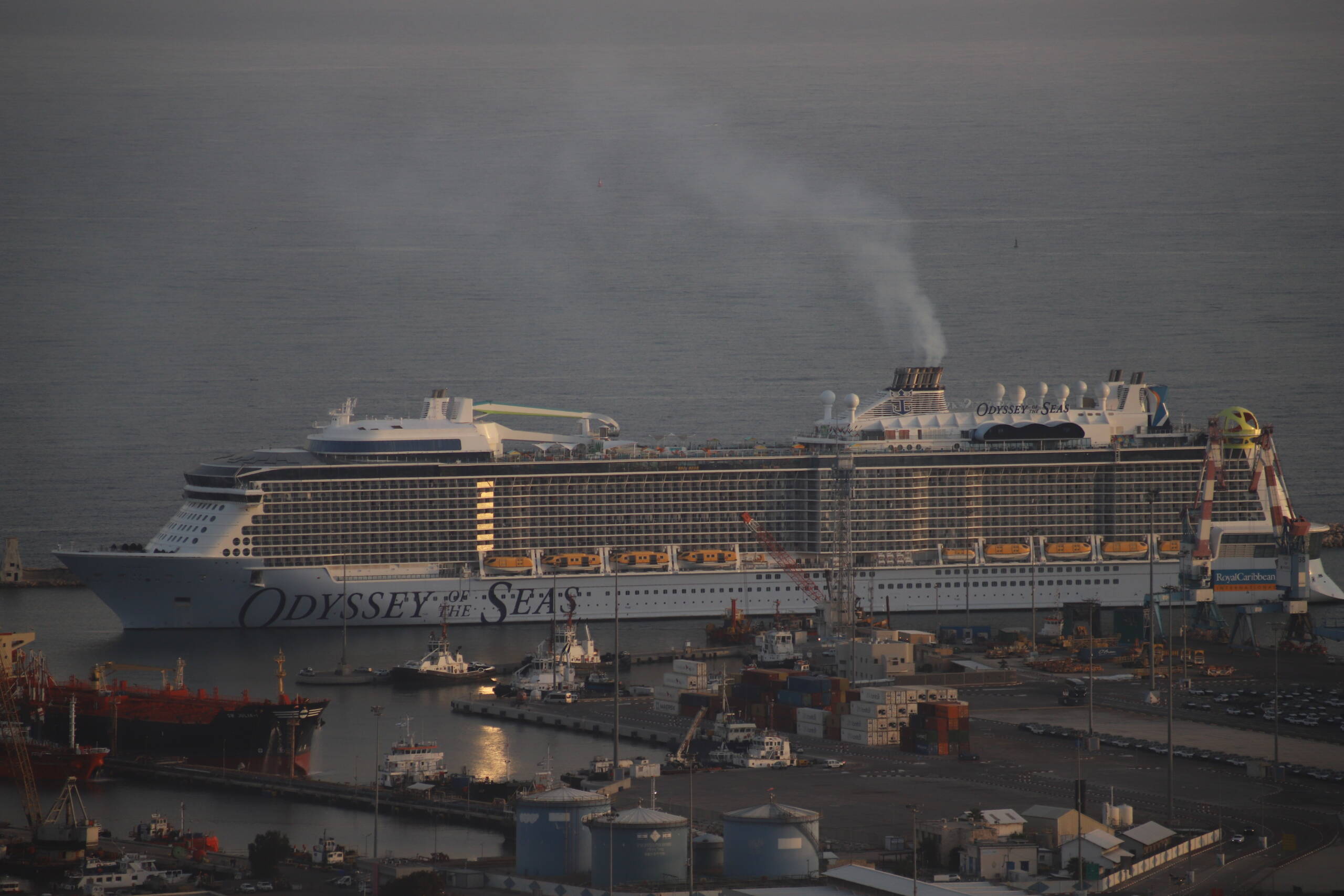
At the simplest level, there’s the “experience exchange.” A creator receives a free cruise—sometimes including flights, upgrades, excursions—in return for a defined amount of content. But even here, it’s rarely vague. Contracts often specify deliverables down to the format: a certain number of short-form videos, a few high-resolution images, maybe a longer YouTube-style walkthrough. Timing matters too. Cruise lines don’t just want content; they want it released in waves—before departure (anticipation), during the trip (real-time validation), and after (conversion push).
Then there’s the tiered compensation layer, where things start to look more like traditional advertising. Mid- to top-tier influencers are often paid on top of the free experience, with fees tied to audience size, engagement rates, and sometimes even niche relevance. A creator focused on luxury travel commands a different structure than one specializing in budget or family travel. Cruise lines segment audiences very deliberately, and influencer selection mirrors that segmentation almost exactly.
Performance incentives are becoming more common too. This is where the model shifts from branding to measurable outcomes. Influencers may be given unique booking links, promo codes, or trackable landing pages. If their content drives actual reservations, they earn a percentage—effectively acting as affiliate partners. It’s not always disclosed publicly, but behind the scenes, this is where a lot of the serious money sits.
There’s also a content ownership angle that doesn’t get talked about much. Cruise lines often negotiate usage rights for the material created during the trip. That means a video originally posted as a casual reel might later appear in paid ads, on booking pages, or even in email campaigns. From the brand’s perspective, this turns influencer content into a scalable asset library. From the creator’s side, it’s another pricing lever—full usage rights typically come at a premium.
Another layer involves itinerary control, though it’s subtle. Influencers are sometimes guided—never too obviously—toward specific experiences on board. A new restaurant, a redesigned suite category, a signature show. The goal isn’t to script the content, but to increase the probability that certain features appear organically. It’s a kind of soft choreography, where freedom exists, but within a carefully designed environment.
Exclusivity clauses can also come into play. A cruise line may request that an influencer avoid promoting competing brands for a certain period, especially around the campaign window. In a crowded market where multiple operators are targeting the same demographics, controlling overlap becomes part of the strategy.
And then there’s the long game. The most valuable creators aren’t one-off partners; they’re recurring faces. Cruise lines often build ongoing relationships, inviting the same influencers across different ships or routes. Over time, this creates familiarity with audiences. The creator stops feeling like a guest and starts feeling like a trusted insider, someone who “knows” the brand.
What’s interesting is how all of this remains largely invisible to the audience. On the surface, it still looks like a personal travel story—a spontaneous decision, a genuine reaction, a slice of life at sea. And in many cases, it is genuine. But it’s also structured, optimized, and increasingly data-driven.
The result is a hybrid model where storytelling and sales merge. The influencer is not just documenting the journey; they’re part of the distribution system that fills the ship.