Five days sounds like too much for Venice until you are there. Most people do the city in an afternoon, shuffle from the station to San Marco and back, and leave thinking it is a theme park. It isn’t. It is a working lagoon town that happens to be beautiful, and it shows you that side only once the day-trippers have gone home.
So this plan is built around staying overnight. Mornings early, the busy middle of the day somewhere quieter, evenings back in the centre. It works in any season. Winter is my favourite, low light, empty fondamente, fog that turns the Grand Canal into a pencil sketch.
One practical thing first. Since 2024 Venice has charged day visitors an access fee on peak days. In 2026 it ran on 60 dates between early April and late July, from 8:30 to 16:00, at €5 if you registered a few days ahead and €10 if you left it late. Hotel guests don’t pay it, but they still have to register for a QR code on those dates. Expect a similar calendar next spring and check the city’s portal, cda.ve.it, before you book.
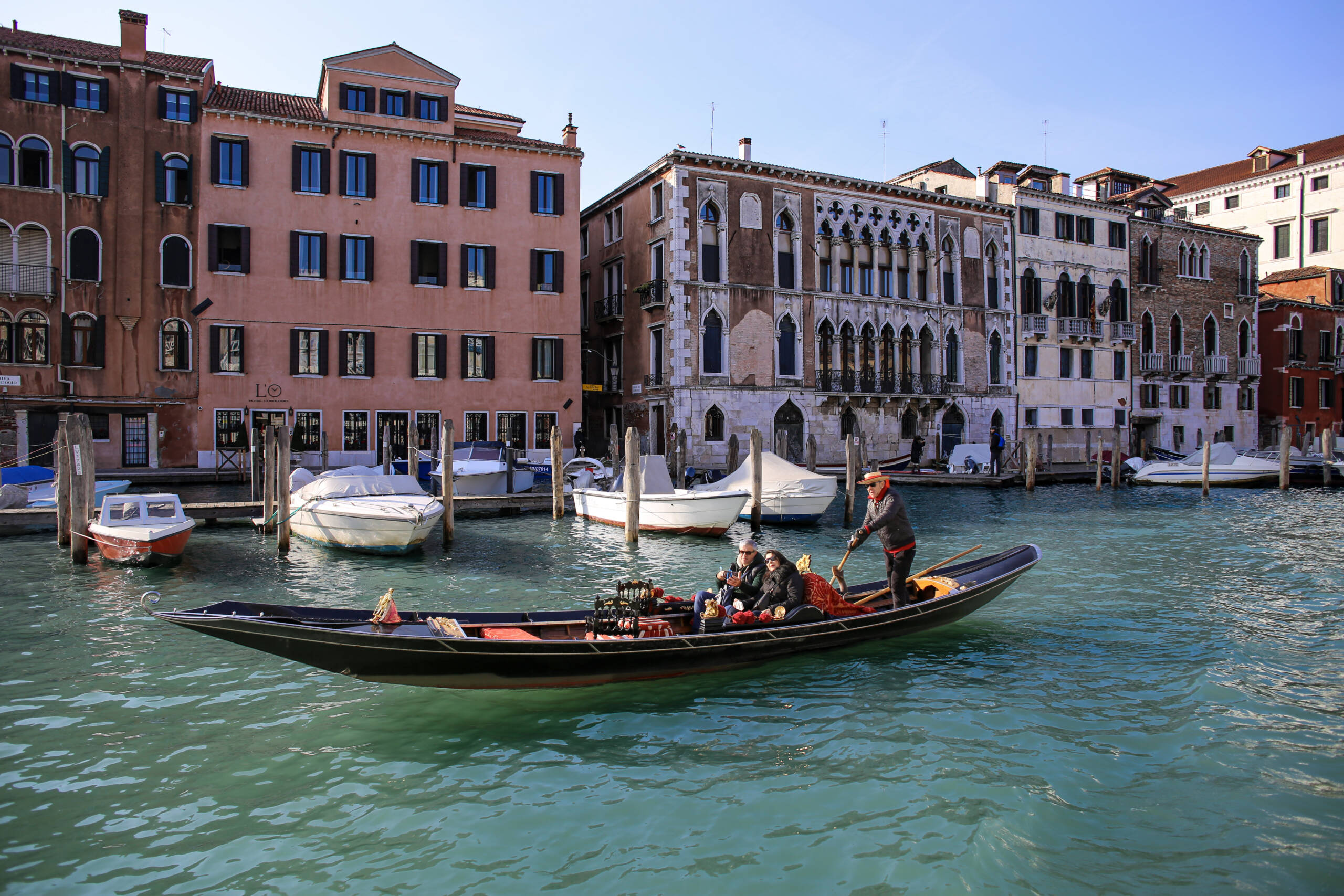
Day 1, the Grand Canal and San Marco
Buy a vaporetto pass on arrival. A single ride is expensive, and the multi-day passes pay for themselves by the third trip. Take line 1 from the station or Piazzale Roma all the way down the Grand Canal. It is the slow boat, and that is the point. You pass the Ca’ d’Oro, the fish market, the Rialto, a parade of palazzi with their water doors half sunk.
Get off at San Marco late in the afternoon when the crowds thin. The Basilica’s mosaics are best seen when the lights are switched on for evening services. Walk out to the waterfront as the sun drops behind San Giorgio Maggiore. Dinner somewhere in Castello, a few streets east, where prices fall by a third.
Day 2, palaces, prisons and the Rialto
Start at the Doge’s Palace at opening time. Book the Secret Itineraries tour if you can. It takes you through the offices, the torture room and the cells under the roof where Casanova was held, and then out across the Bridge of Sighs from the inside. The view through those stone grilles is small and sad and worth it.
Then the Rialto. The market closes around midday and the fish market is shut on Sundays and Mondays, so if you want to see it working, swap the order and come here first. Afterwards cross into San Polo for cicchetti, the small bar snacks Venetians eat standing up with a glass of wine called an ombra. Baccalà mantecato on bread, sarde in saor, a fried meatball. Eat three, move to the next bar.
Day 3, Murano, Burano and Torcello
The islands. Murano for glass, and skip the free “factory tours” that end in a hard sell. The Glass Museum explains the craft properly. Burano is the photogenic one, painted houses, laundry lines, lace shops. It is lovely, and also beautiful for about five minutes once the tour boats arrive.
The real reward is Torcello, ten minutes further on. This was the first settlement in the lagoon, larger than Venice once, now a handful of residents, a canal path, and the cathedral of Santa Maria Assunta with its Last Judgement mosaic. It is quiet in a way the rest of the lagoon isn’t.
Day 4, the Ghetto, Cannaregio and art
Cannaregio is where Venetians actually live. Walk to the Ghetto, the first in the world, established in 1516, and the origin of the word itself. The synagogues are visited on guided tours from the Jewish Museum. Then wander the Fondamenta della Misericordia and the Ormesini, which turn into the city’s longest bar strip at night.
Afternoon for art. The Gallerie dell’Accademia for Titian, Tintoretto and Bellini. The Peggy Guggenheim Collection for the twentieth century, in a single-storey palazzo with a garden on the Grand Canal. If you only have energy for one, pick by mood.
Day 5, the Giudecca and the slow goodbye
Cross to the Giudecca for a view of the city instead of a view from it. Palladio’s Redentore church, quiet streets, boatyards. Walk the Zattere on the way back, the long sunny promenade on the Dorsoduro side, and stop for a gianduiotto at Nico, chocolate gelato buried under whipped cream.
On your last evening, take the vaporetto down the Grand Canal again after dark. The same palazzi, lit from inside this time. That ride is the one you remember.
Practical notes
- Stay in Venice itself, not Mestre, if your budget allows. The evenings are the reason to come.
- A gondola costs a fixed official rate for about 30 minutes, higher after 19:00. Agree on time and price before you step in. For a cheap version, take a traghetto, the standing gondola ferry across the Grand Canal.
- Acqua alta happens mostly between October and January. The MOSE barriers now protect the city from the worst tides, but rubber boots are still sold in every shop for a reason.
- Venice charges an overnight tourist tax on top of the access fee rules, collected by your hotel.