• Skip to main content
  • Skip to secondary menu
  • Skip to footer

Travel Marketing

Travel and Tourism Trends

  • Sponsored Post
  • Travel Event Calendar
  • Travel Market
  • Travel Magazine
  • About
  • Contact

Holland America Line Unveils 2028 Grand Voyages Spanning the Globe and South Pacific

May 1, 2026 By admin Leave a Comment

There’s something almost old-world romantic about committing to a journey measured not in days, but in seasons, and that’s exactly the tone Holland America Line sets with its newly announced 2028 Grand Voyages. Revealed by president Beth Bodensteiner to guests already at sea, the announcement feels less like a product launch and more like an invitation to step into a slower, more deliberate kind of travel—one where the rhythm of the ocean replaces the urgency of airports.
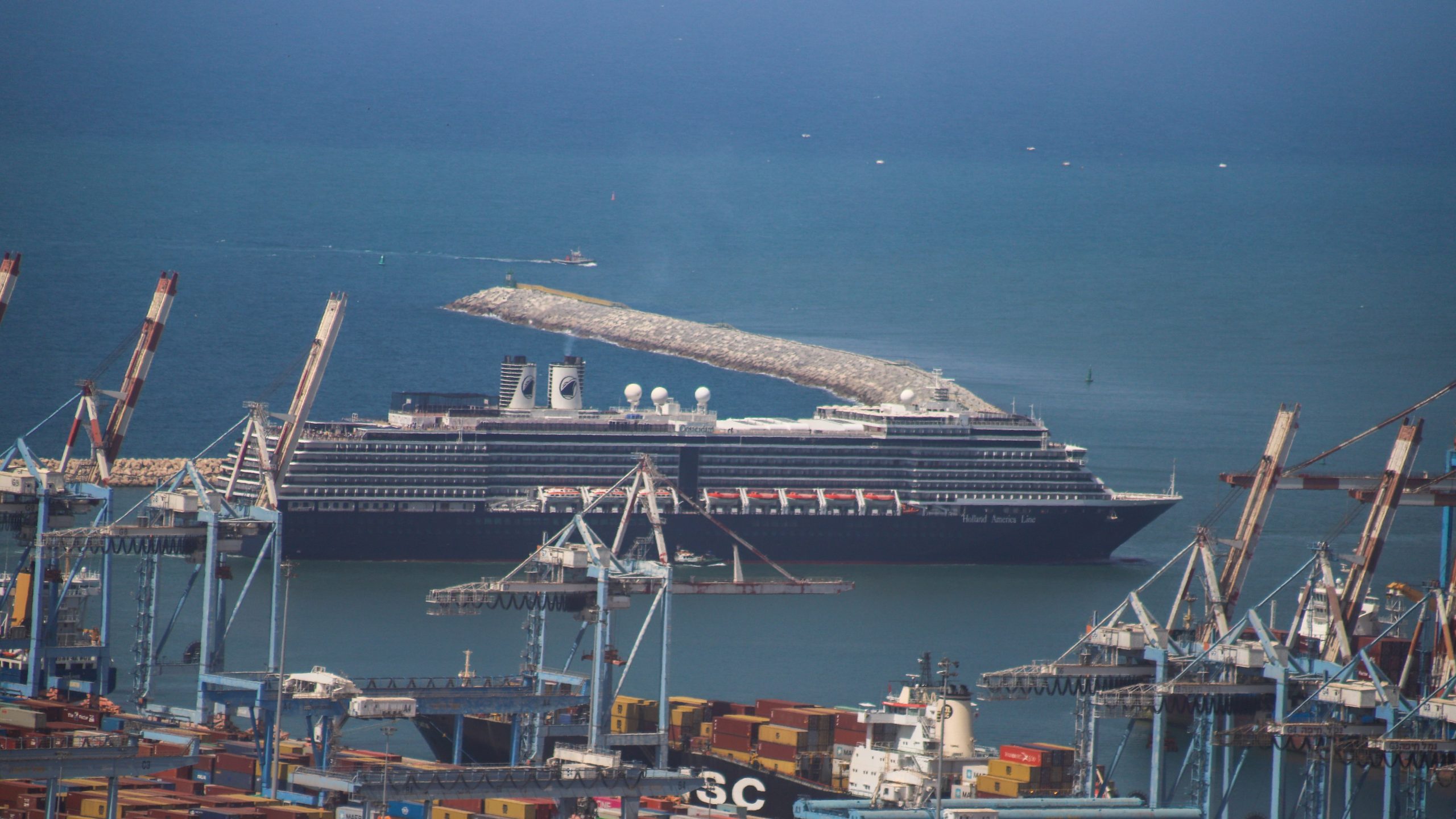
Holland America Line

The scale of the 129-day Grand World Voyage is, frankly, a little staggering. Sailing aboard the MS Volendam, it loops the globe in a way that feels both expansive and surprisingly intimate, weaving through South America before descending into the icy stillness of Antarctica, then climbing back through the dramatic corridors of the Beagle Channel and Chilean Fjords. Somewhere along the way, there’s a stop at Easter Island—one of those places that almost doesn’t feel real until you’re standing there—and even a quiet, almost symbolic sail-past of Null Island, that invisible intersection where the Prime Meridian meets the Equator. It’s the kind of detail that might sound trivial at first, but then lingers in your mind… like a geographic curiosity turned into a moment.

The alternative, the 90-day Grand Australia & New Zealand Voyage aboard the MS Zaandam, trades global circumnavigation for depth. It leans into the vastness of the Pacific, stretching westward through Hawaii and into the layered cultures and landscapes of Oceania. What stands out here isn’t just the destinations themselves—Australia and New Zealand are hardly under-the-radar—but the access. Remote corners of Western Australia, places that rarely appear on cruise itineraries, suddenly feel within reach. And then there’s the absence of long-haul flights, which, if you’ve ever done one, you know is no small thing.

Both voyages converge, interestingly enough, on Bora Bora, which feels intentional—almost symbolic. That lagoon, impossibly blue and framed by the volcanic rise of Mount Otemanu, becomes a shared highlight across two very different journeys. Arriving there aboard smaller ships like Volendam and Zaandam adds another layer to the experience, slipping through narrow passes into a setting that feels, for a moment, completely untouched. For guests on Zaandam, the extended evening stay means the island doesn’t just pass by—it lingers, stretching into twilight and beyond.

What ties both voyages together isn’t just the destinations, though there are plenty—dozens of ports, UNESCO sites, and those lesser-known “Mariners’ Collection” stops—but the pacing. There’s time here, real time, to settle into the experience. Days at sea aren’t gaps between destinations; they’re part of the journey itself. Life onboard becomes its own rhythm, shaped by small routines, unexpected encounters, and the kind of gradual immersion that shorter trips rarely allow. Even the onboard experience leans into that idea, with evolving menus, cultural performances, and those slightly formal, almost nostalgic touches like gala evenings and captain’s dinners that remind you this is something a bit more ceremonial than your average vacation.

And maybe that’s the point. These voyages aren’t just about where you go—they’re about how long you’re willing to stay in motion, how deeply you want to experience the in-between. There’s a certain mindset required for that, a willingness to let the journey unfold slowly. Not everyone has the time, or the patience, but for those who do… it’s hard to imagine a more complete way to see the world.

Filed Under: News

Reader Interactions

Leave a Reply Cancel reply

Your email address will not be published. Required fields are marked *

Footer

Recent Posts

  • Why Lisbon Cafés Are Putting Up No Laptops Signs: Coffee, Instagram, and the Remote Work Terrace
  • Four in Ten Travelers Visit Landmarks Mainly for the Photo: How Instagram and Reels Reshaped Tourism
  • Why Comporta Still Feels Empty: The Rice Estate Behind Portugal’s Most Coveted Beaches
  • Travel in 2026: Five Photos That Explain the Year’s Real Trends
  • Tiny Tourism: Why Travellers Are Choosing Towns Nobody Photographs
  • In Defence of the Hop-On Hop-Off Bus
  • EasyJet Agrees £5.7bn Apollo Takeover: What Changes for Passengers and What Doesn’t
  • Taormina Beach Guide: Mazzarò, Isola Bella, and What Nobody Tells You About the Pebbles
  • Juliet’s Balcony in Verona Was Added in the 1930s and the Crowds Do Not Care
  • St Mark’s Basilica in Venice: The Gold Mosaics Are Dimmer Than the Photographs Suggest

Media Partners

  • Virtual Travel Guide
  • Ancient Rome
Sintra at Noon, Venice at Midnight: Six European Cities and the Hour That Suits Them
Porto’s Chestnut Season Is the Shoulder Season Worth Booking
Venice at Night Is the Version No Access Fee Covers
The 18th-Century Fountain Hidden Inside Bordeaux’s Customs Museum Courtyard
The Bilbao Effect, 500 Years Early: Jerónimos Monastery And The Guggenheim
Bilbao’s Quiet Renaissance: From Industrial Port to Design Destination
Lisbon’s Seven Hills: A Walking Guide That Tells You the Truth
New Orleans: An American City That Plays by Different Rules
Ha Long Bay Without the Cruise Brochure
Istanbul at the Threshold: A City That Has Always Been Two Things at Once
Sponsored Post
About
Contact
Roman Concrete in Museum Fragments: What the Cross-Section Actually Shows
Roman Sarcophagi Spent More Time as Fountains and Church Tombs Than as Graves
Aquincum Museum Reconstructs 16 Roman Faces From Skulls Found on Budapest's Danube Frontier
Roman Public Latrines Reveal an Empire That Built Sanitation Without Achieving Hygiene
The Pont du Gard: Rome's Most Perfect Structure
Water Across the Empire: Roman Aqueducts and the Hydraulic Logic of Conquest
Who Cleaned Roman Rome: The Social Economy of Waste

Media Partners

  • Media Forum
  • Market Analysis
SanDisk (SNDK) Rallied 11.9% Into an S&P 100 Add That Forces Almost Nobody to Buy
Texas A&M Is Spending $11.8 Million on a Water Tower Before Its Semiconductor Institute Can Open
Cloudflare's September 15 AI Crawler Block Turns the Ad Tag Into an Access Key
Pedro Sánchez Lost Control at Ceuta and Blamed Everyone Else
Three European Cities Where Architecture and Festival Collide
Duane Davis Convicted in Tupac Shakur's 1996 Murder
AI Content Licensing in 2026: Who Is Actually Getting Paid, and Who Never Will
Google AI Overviews and the Publisher Traffic Collapse: What the 2026 Numbers Actually Show
NBCUniversal Puts Peacock Inside YouTube Premium, and Concedes Where the Audience Already Lives
Nexstar Owns Tegna and Isn't Allowed to Run It: Inside the Hold-Separate Order
The Immersive Experience in the Museum World
Japan, China, and Taiwan: A New Triangle of Risk — and a Window of Opportunity for Japan
Ghost Kitchens as Infrastructure: The Shift from Restaurants to Intelligent Food Networks
The Zoom Divide Nobody Saw Coming
The Perfect Budget Content-Creator Kit
Reimagining Prague’s Tourism Future Through Immersive Media and VR Museums
Israel’s Urban Paradox: Tel Aviv Moves, the Rest Stand Still
American Express Global Business Travel (GBTG): Understanding the Business and the Investment Case
Why the Canon R8 Paired With the New RF 45mm f/1.2 Lens Quietly Becomes the Content Creator’s Sweet-Spot
The Future of Travel: A $15.5 Trillion Industry

Copyright © 2026 Travel Marketing

Media Partners: Timey · Publishing House · Ancient Rome · Photography · Calendarial · Transportational