Double-Edged Culture: When Museums Turn Tourists into Targets
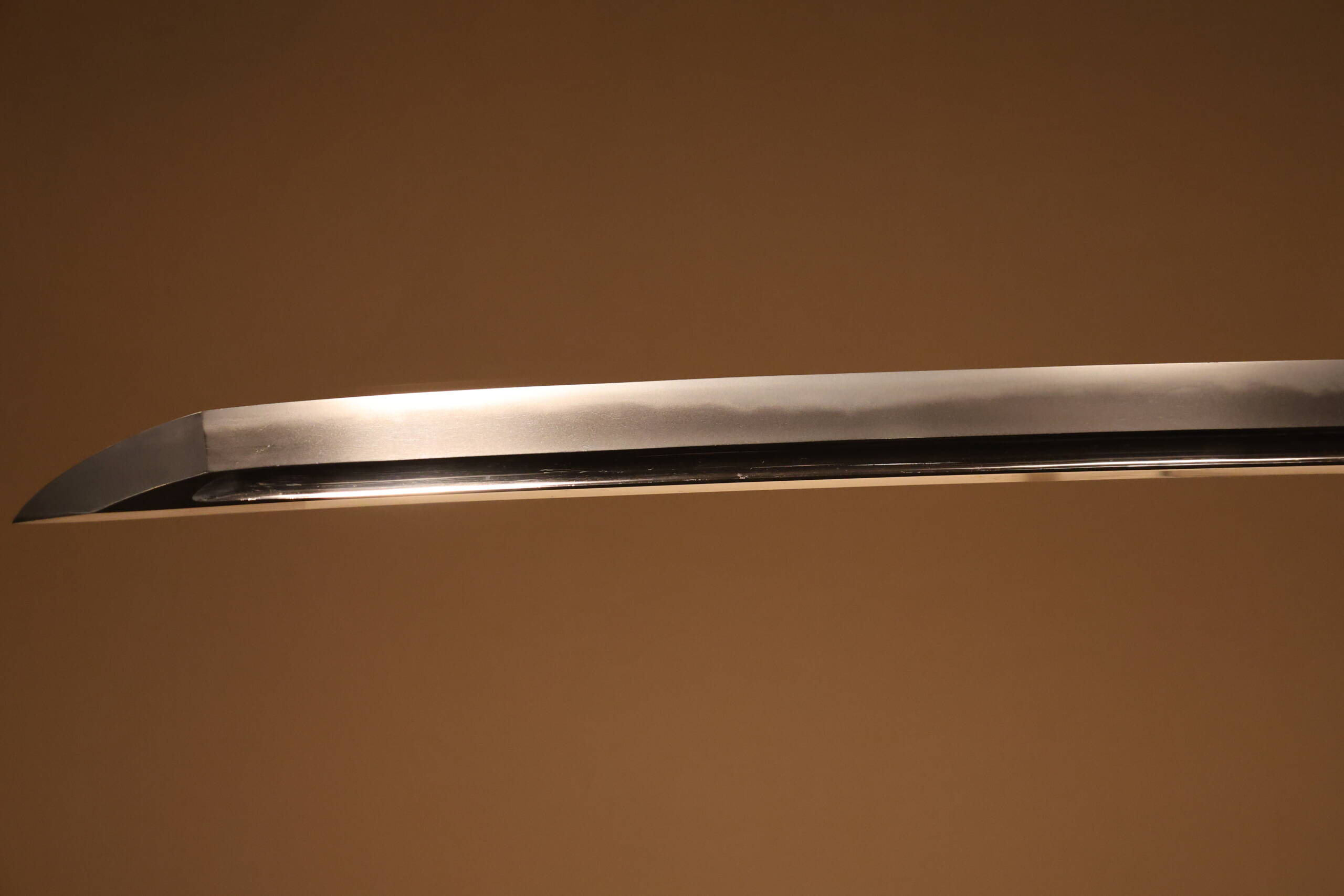
The blade in the image floats in silence, perfectly balanced, its polished edge catching the light just enough to remind you that it exists. It looks like a katana seen sideways, reduced to essence: no handle, no decoration, just the line that matters. The steel is calm, disciplined, almost meditative, and yet its entire purpose is cutting. That’s what makes Japan’s plan to introduce dual pricing for museum entry fees feel so disturbingly appropriate. The idea is being presented as a clean, rational solution to the tourism boom — locals pay one price, foreigners pay more — but like this blade, the moment you admire its elegance, you realize how easily it cuts in directions you didn’t intend.
Japan’s museums have never just been buildings with artifacts. They are part of the country’s soft power machinery, quiet ambassadors of history, craft, and restraint. Turning them into places where your ticket price depends on your passport fractures that role instantly. The justification sounds reasonable at first: tourists are flooding in, museums are crowded, costs are rising, so make visitors from abroad contribute more. But tourists already do. They pay more for flights, hotels, food, transport, and taxes embedded in everything they touch. Charging them again, specifically for access to culture, isn’t sustainability — it’s opportunism wearing a polite mask.
The blade in the image doesn’t discriminate; it cuts everything the same way. That’s what gives it integrity. Culture works like that too when it’s healthy. The moment identity becomes a pricing variable, museums stop being shared civic spaces and turn into toll gates. Something subtle but corrosive happens: visitors feel sorted, not welcomed. The experience loses its softness, its flow, its sense of mutual respect. You might still admire the art, but you’ll remember the door. And memories like that travel far, especially in an age where policies are photographed, tweeted, and archived faster than any exhibition catalog.
The practical problems are just as sharp. How will this even be enforced? Passports at the counter? Visual profiling? Residency cards? Every method introduces friction, embarrassment, or outright discrimination, and the people most likely to be hurt are foreign residents who already live, work, and pay taxes in Japan. A policy meant to manage crowds ends up slicing through social trust instead. That’s the curse of double-edged solutions: they promise control, but they demand payment from places you didn’t intend to cut.
Look again at the blade. It is beautiful because it is restrained. It stays in its sheath unless absolutely necessary. Japan’s museums should be the same — open, calm, confident enough not to nickel-and-dime curiosity. Once you start swinging policy like a sword, even gently, you inevitably nick something precious. In this case, it isn’t just tourists who will feel the sting, but Japan’s image as a place where culture is shared, not rationed. And unlike ticket prices, that damage doesn’t reset at the end of the day.
Leave a Reply