• Skip to main content
  • Skip to secondary menu
  • Skip to footer

Travel Marketing

Travel and Tourism Trends

  • Sponsored Post
  • Travel Event Calendar
  • Travel Market
  • Travel Magazine
  • About
  • Contact

Why Japan’s Dual Museum Pricing Is a Bad Idea

January 17, 2026 By admin Leave a Comment

Double-Edged Culture: When Museums Turn Tourists into Targets

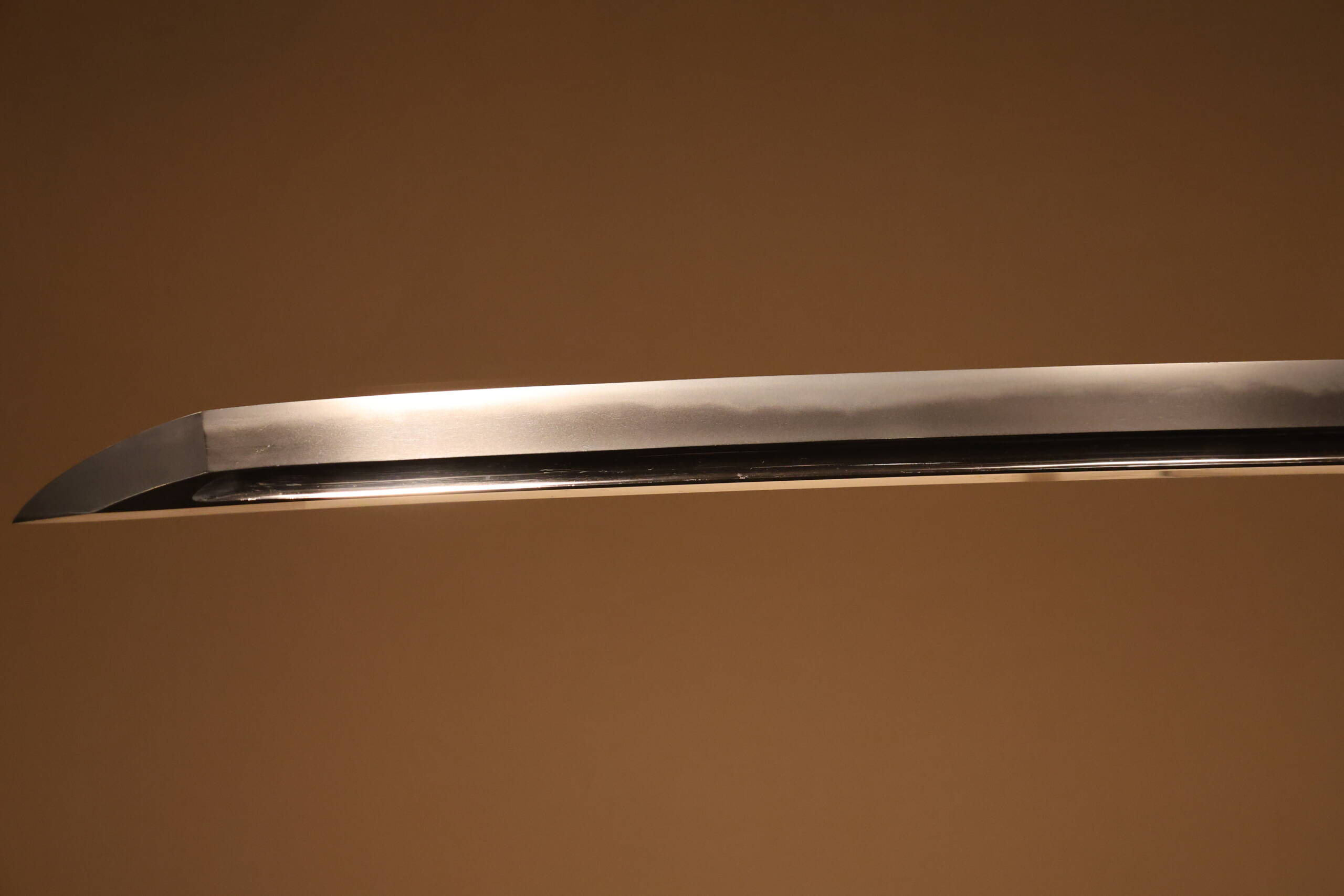
The blade in the image floats in silence, perfectly balanced, its polished edge catching the light just enough to remind you that it exists. It looks like a katana seen sideways, reduced to essence: no handle, no decoration, just the line that matters. The steel is calm, disciplined, almost meditative, and yet its entire purpose is cutting. That’s what makes Japan’s plan to introduce dual pricing for museum entry fees feel so disturbingly appropriate. The idea is being presented as a clean, rational solution to the tourism boom — locals pay one price, foreigners pay more — but like this blade, the moment you admire its elegance, you realize how easily it cuts in directions you didn’t intend.
Why Japan’s Dual Museum Pricing Is a Bad Idea

Japan’s museums have never just been buildings with artifacts. They are part of the country’s soft power machinery, quiet ambassadors of history, craft, and restraint. Turning them into places where your ticket price depends on your passport fractures that role instantly. The justification sounds reasonable at first: tourists are flooding in, museums are crowded, costs are rising, so make visitors from abroad contribute more. But tourists already do. They pay more for flights, hotels, food, transport, and taxes embedded in everything they touch. Charging them again, specifically for access to culture, isn’t sustainability — it’s opportunism wearing a polite mask.

The blade in the image doesn’t discriminate; it cuts everything the same way. That’s what gives it integrity. Culture works like that too when it’s healthy. The moment identity becomes a pricing variable, museums stop being shared civic spaces and turn into toll gates. Something subtle but corrosive happens: visitors feel sorted, not welcomed. The experience loses its softness, its flow, its sense of mutual respect. You might still admire the art, but you’ll remember the door. And memories like that travel far, especially in an age where policies are photographed, tweeted, and archived faster than any exhibition catalog.

The practical problems are just as sharp. How will this even be enforced? Passports at the counter? Visual profiling? Residency cards? Every method introduces friction, embarrassment, or outright discrimination, and the people most likely to be hurt are foreign residents who already live, work, and pay taxes in Japan. A policy meant to manage crowds ends up slicing through social trust instead. That’s the curse of double-edged solutions: they promise control, but they demand payment from places you didn’t intend to cut.

Look again at the blade. It is beautiful because it is restrained. It stays in its sheath unless absolutely necessary. Japan’s museums should be the same — open, calm, confident enough not to nickel-and-dime curiosity. Once you start swinging policy like a sword, even gently, you inevitably nick something precious. In this case, it isn’t just tourists who will feel the sting, but Japan’s image as a place where culture is shared, not rationed. And unlike ticket prices, that damage doesn’t reset at the end of the day.

Filed Under: News

Reader Interactions

Leave a Reply Cancel reply

Your email address will not be published. Required fields are marked *

Footer

Recent Posts

  • Fora Hits $1 Billion Valuation as AI Transforms the Future of Travel Planning
  • The Open Kitchen Experience: Dining Where You Can Watch the Cooking
  • Holland America Line Adds Flåm and Hellesylt to Five 2027 Norway Fjord Cruises
  • La Cité du Vin, Bordeaux: The Building That Looks Like Wine in a Glass
  • EU Border Delays: ETIAS Pre-Travel Authorization Pushed to Late 2026 as EES Chaos Continues
  • Toledo’s Old Town: A Mudéjar Watchtower Hiding an Antiques Shop
  • Piazza del Duomo, Catania: Where a Black Lava Elephant Guards Sicily’s Baroque Heart
  • Château de Fougères: Inside Europe’s Largest Medieval Fortress
  • Château de Vitré: The Medieval Fortress Guarding Brittany’s Eastern Gate
  • Miroir d’eau at Blue Hour: Bordeaux’s Water Mirror Comes Alive

Media Partners

  • Virtual Travel Guide
  • Ancient Rome
Lisbon’s Seven Hills: A Walking Guide That Tells You the Truth
New Orleans: An American City That Plays by Different Rules
Ha Long Bay Without the Cruise Brochure
Istanbul at the Threshold: A City That Has Always Been Two Things at Once
Iceland’s Ring Road: What the Drive Teaches You That No Photograph Can
Marrakech’s Medina: How to Read a City That Was Not Designed for You
Torres del Paine: What You Are Actually Getting Into
Kyoto in Autumn: What the City Looks Like When the Maples Turn
Disneyland Paris Rewrites Its Script With World of Frozen and Disney Adventure World
Wallace Fountain: Carrying Water, Carrying Values
Water Across the Empire: Roman Aqueducts and the Hydraulic Logic of Conquest
The Oath of the Horatii: David's Roman Republic in Paint
Jean-Léon Gérôme: The Victorian Gaze on Rome
Ostia: The Port That Fed Rome
Roman Naval Warfare: The Sea They Called Their Own
The Roman Grain Ship: How Rome Fed Itself Across the Sea
Trajan's Column: Rome's Greatest Comic Strip
Caesarea Maritima: A Roman City Built from Nothing
Damnatio Memoriae: Rome's War on Memory
Faustina the Younger: The Woman Behind the Philosopher Emperor

Media Partners

The Immersive Experience in the Museum World
Japan, China, and Taiwan: A New Triangle of Risk — and a Window of Opportunity for Japan
Ghost Kitchens as Infrastructure: The Shift from Restaurants to Intelligent Food Networks
The Zoom Divide Nobody Saw Coming
The Perfect Budget Content-Creator Kit
Reimagining Prague’s Tourism Future Through Immersive Media and VR Museums
Israel’s Urban Paradox: Tel Aviv Moves, the Rest Stand Still
American Express Global Business Travel (GBTG): Understanding the Business and the Investment Case
Why the Canon R8 Paired With the New RF 45mm f/1.2 Lens Quietly Becomes the Content Creator’s Sweet-Spot
The Future of Travel: A $15.5 Trillion Industry

Copyright © 2026 Travel Marketing

Media Partners: Timey · Publishing House · Ancient Rome · Photography · Calendarial · Transportational