Something about this project feels almost cinematic, like Japan is reopening an old map and inviting the world to step directly into it. The launch of the “Edo Shogun Roads” campaign isn’t just another tourism initiative—it’s a deliberate reconstruction of movement, memory, and culture tied to the arteries that once defined the country. On March 20, right in the polished, glass-lined space of Tokyo Midtown Yaesu, that past will be reframed for a global audience, not as history frozen in time but as something you can actually walk, taste, and experience.
The idea revolves around the Gokaido—the five great highways that radiated out of Edo, now Tokyo—once used by samurai, merchants, officials, and travelers navigating a highly structured society. The Tokaido, Nikkō Kaido, Oshu Kaido, Nakasendo, and Koshu Kaido weren’t just roads; they were economic lifelines and cultural corridors. This new initiative stitches them back together, not physically of course, but through curated travel routes, experiences, and storytelling that connect multiple prefectures into one coherent narrative. It’s a smart move, honestly, because instead of competing destinations, the region becomes a journey.
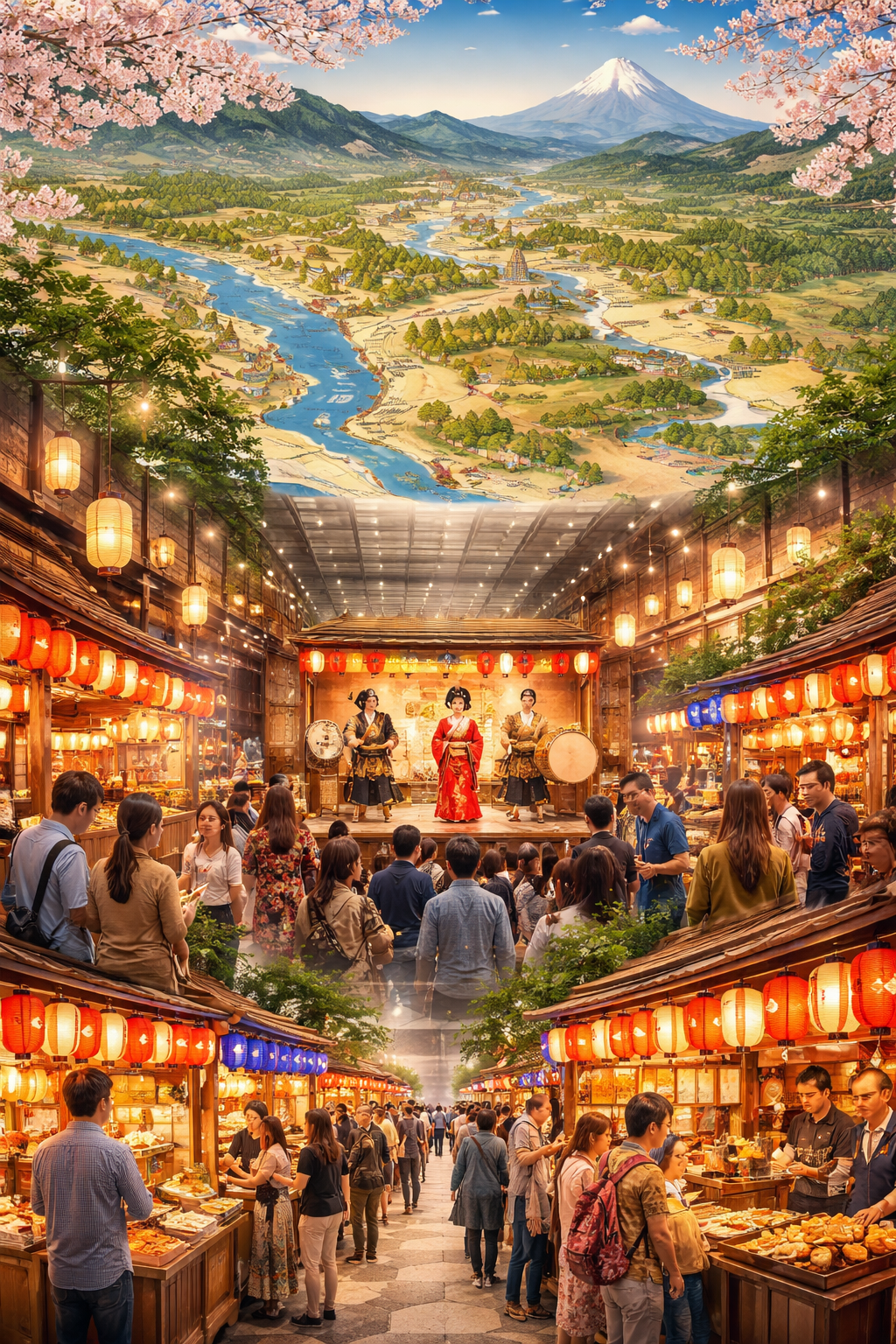
The kickoff event itself leans heavily into immersion. Visitors will move through a layered environment of Edo-period references—performances, food, and hands-on cultural elements that mirror what travel might have felt like centuries ago, just without the blisters and uncertainty. There’s something very deliberate in pairing historical storytelling with cuisine; food tends to anchor memory better than almost anything else, and here it becomes part of the narrative infrastructure.
At the core of the campaign is a broader strategy that feels very aligned with how tourism is evolving. Instead of pushing isolated landmarks, the project introduces 17 model routes that emphasize seasonal changes—flowers, gardens, landscapes—tying into the upcoming International Horticultural Expo in Yokohama in 2027. That connection isn’t accidental. It positions the Edo routes not just as historical pathways but as living, seasonal experiences, which makes them repeatable and, more importantly, sustainable from a tourism perspective.
There’s also a noticeable effort to make this accessible to international visitors without diluting the cultural depth. The 15 Edo-themed experience programs—still to be fully revealed—suggest curated encounters rather than passive sightseeing. You can almost imagine structured experiences like traditional lodging reinterpretations, guided historical walks, or craft-based workshops embedded along these routes. It’s less about “seeing Japan” and more about temporarily inhabiting a version of it.
The digital layer plays a big role too. The launch of a dedicated portal and promotional videos indicates that this isn’t just an on-the-ground initiative—it’s a narrative being built online first, guiding travelers before they even arrive. That’s where the real leverage sits: shaping expectations, framing the journey, and subtly encouraging multi-destination travel across the Greater Tokyo region.
And then there’s the geographic scope. Eleven prefectures are involved, which turns this into something much larger than a Tokyo-centric campaign. It’s effectively a distributed tourism network, with each region contributing its own piece of the Edo-era puzzle. That kind of coordination isn’t trivial, but if it works, it creates a kind of gravitational pull where visitors naturally move outward from Tokyo instead of staying within it.
The presence of Kojiro Shiraishi as a guest speaker adds an interesting layer. An ocean adventurer speaking at a land-based historical tourism launch—at first it feels slightly off, but then it clicks. Exploration is the common thread. Whether by sea or along Edo’s highways, the narrative is about movement, endurance, and discovery.
The accompanying cultural travel fair, “Strolling the Edo Highways,” extends the concept beyond the formal ceremony. It turns the launch into something participatory, where people can sample fragments of these routes in one place—food, performances, regional identity compressed into a walkable space. It’s almost like a preview trailer, but physical.
Zooming out a bit, this project fits into a larger pattern Japan has been refining—turning historical infrastructure into modern experiential frameworks. Railways, pilgrimage routes, rural villages… now highways. It’s a subtle shift from destination marketing to journey marketing, and it tends to resonate more deeply, especially with travelers who are looking for narrative and continuity rather than checklist tourism.
There’s also a strategic undercurrent here. By encouraging travel across multiple prefectures, the initiative redistributes economic activity, which matters in a country where overtourism in major cities has become a real concern. This feels like a long-term play to balance that flow without restricting it.
If it lands the way it’s designed, Edo Shogun Roads won’t just be a campaign—it’ll become a framework. One that quietly reshapes how people experience the Kanto region, turning a historical network into a modern travel logic that, once you see it, kind of makes perfect sense.