Something subtle but unmistakable is happening to cherry blossom season. The old rhythm—Tokyo parks packed shoulder to shoulder, Kyoto temples framed by endless streams of visitors—is still there, still iconic, still powerful. But around it, almost like a second bloom, a quieter, more deliberate version of sakura travel is emerging. According to recent research and booking data from Trip.com Group, travelers are actively rethinking not just when they experience cherry blossoms, but where and how, shifting toward less crowded, more cinematic and culturally immersive settings.
The shift begins with how people choose destinations in the first place. Increasingly, it’s not guidebooks or even traditional travel blogs driving decisions, but what appears on screen. Trip.com’s Momentum Report points out that more than 70% of travelers are influenced by film and TV locations, and it shows. Kamakura and Enoshima, for example, have surged in popularity following their appearance in a recent Netflix K-drama, with train bookings to Kamakura jumping 66% month-on-month and hotel searches climbing by over 50%. These places were never hidden, but they’ve been reframed—suddenly seen not just as destinations, but as scenes people want to step into.
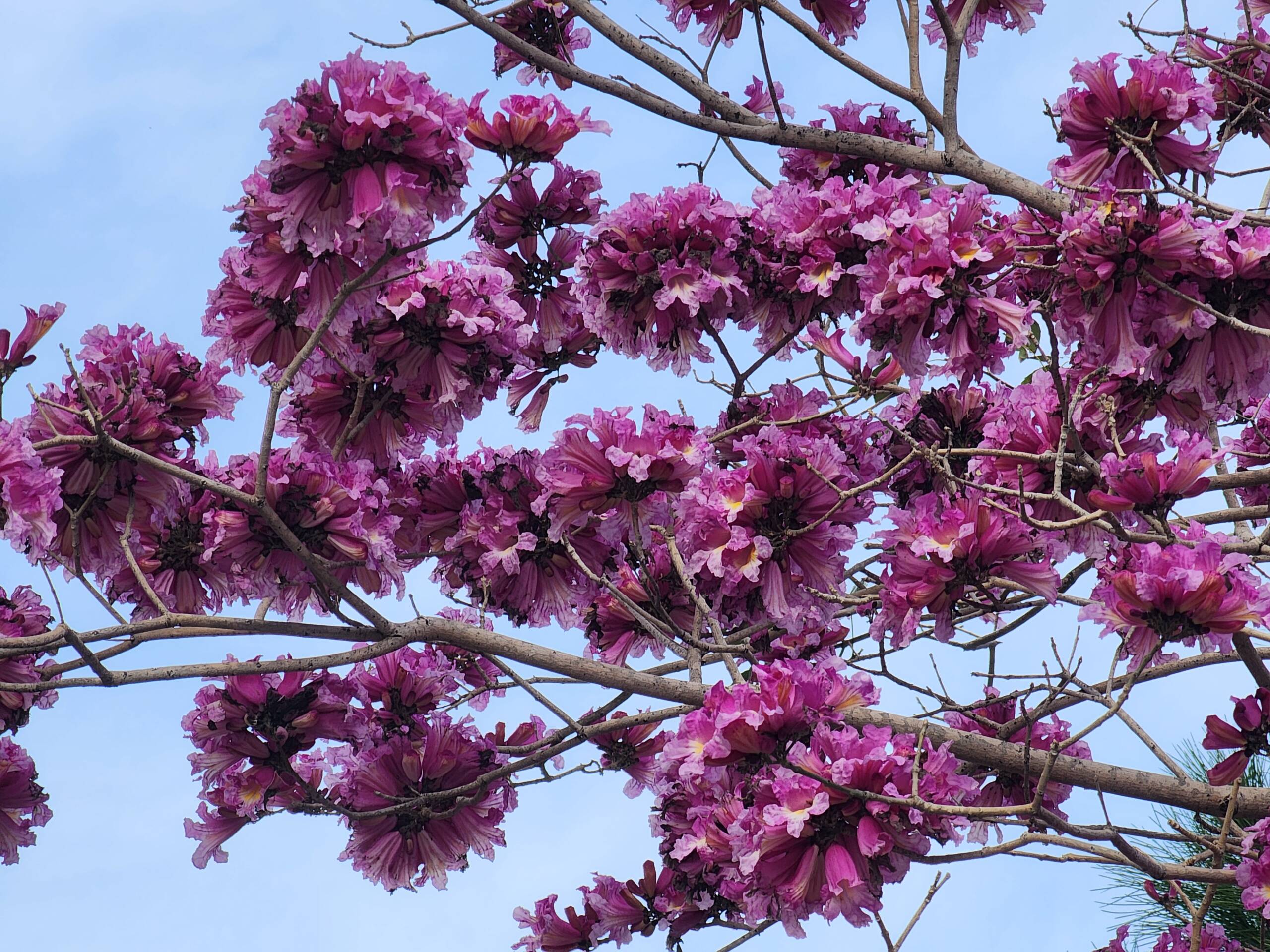
And yet Tokyo still anchors the experience. Shinjuku Gyoen continues to rank as the world’s most-booked sakura attraction on Trip.com’s platform, a reminder that the classics aren’t fading—they’re just no longer the entire story. Travelers are increasingly treating Tokyo as a starting point rather than the main act, moving outward in search of something less compressed.
That outward movement is where the data becomes especially revealing. While Tokyo, Osaka, and Kyoto still dominate, Trip.com’s figures show that nearly one-third of cherry blossom bookings are now heading beyond this traditional corridor. Growth rates tell the real story: Sendai is up nearly 90% year-on-year, Sapporo over 56%, Fukuoka close to 55%. These aren’t marginal gains; they’re signals of a structural shift.
Sendai, for instance, offers a completely different rhythm. Along the Shiroishi River, the blossoms form a long, continuous canopy that feels expansive rather than crowded, stretching between small towns instead of compressing into urban parks. Sapporo extends the season itself into early May, almost like a second chance for those who missed peak bloom further south. Okinawa flips expectations entirely, offering early blossoms in a subtropical setting that feels detached from the classic image of Japanese spring.
Minamitsuru adds another layer, pairing sakura with Mount Fuji in a way that feels almost staged, though it’s entirely real. It’s the kind of setting that aligns perfectly with what Trip.com’s data hints at—travelers are increasingly drawn to visually distinctive, almost cinematic landscapes rather than just famous ones.
Beyond Japan, the same pattern is unfolding across Asia. South Korea and China now rank among the most searched destinations globally for cherry blossom travel on Trip.com’s platforms. In South Korea, destinations like Gyeongju and Jeju are seeing explosive growth—flight bookings to these areas have surged by over 200% and 140% respectively. Gyeongju offers a slower, historically layered experience, while Jeju leans into contrast—volcanic terrain softened by seasonal blooms.
China’s rise is equally striking. Guizhou, once better known for its ethnic tourism, is now gaining traction through places like Pingba Cherry Blossom Park, which has become one of the most booked blossom experiences on Trip.com. Wuhan and Shanghai are integrating sakura into urban life—lakeside parks, university campuses, curated green spaces—offering accessibility without sacrificing atmosphere.
Even the traveler profile adds context to this transformation. Trip.com data shows that nearly 63% of sakura trips are booked by women, with a strong concentration in the 25–49 age range. At the same time, there’s rapid growth among older travelers and families with young children, suggesting that cherry blossom travel is broadening into a more flexible, multi-generational experience.
What stands out most is how the core question has changed. It used to be about timing—when to catch the blossoms at their peak. Now, shaped in part by Trip.com’s insights, it’s increasingly about differentiation. Where can the experience feel less crowded, more personal, more visually and emotionally distinct?
That shift might seem small, but it quietly redraws the entire map of sakura season. Because once travelers start looking beyond the obvious, the experience stops being fixed to a handful of famous parks. It begins to expand—across regions, across countries, across entirely different interpretations of what cherry blossom season can be.