European cities, long celebrated for their unique cultural heritage and rich historical backgrounds, are now facing an identity crisis. As tourism becomes an increasingly dominant force, the authentic character of these cities is gradually being eroded, replaced by a homogenized, commercialized version tailored to the expectations of global travelers. Despite efforts to preserve cultural landmarks and traditions, the influx of tourists and the accompanying touristic gimmicks are diluting the distinctive identities that once defined these cities.
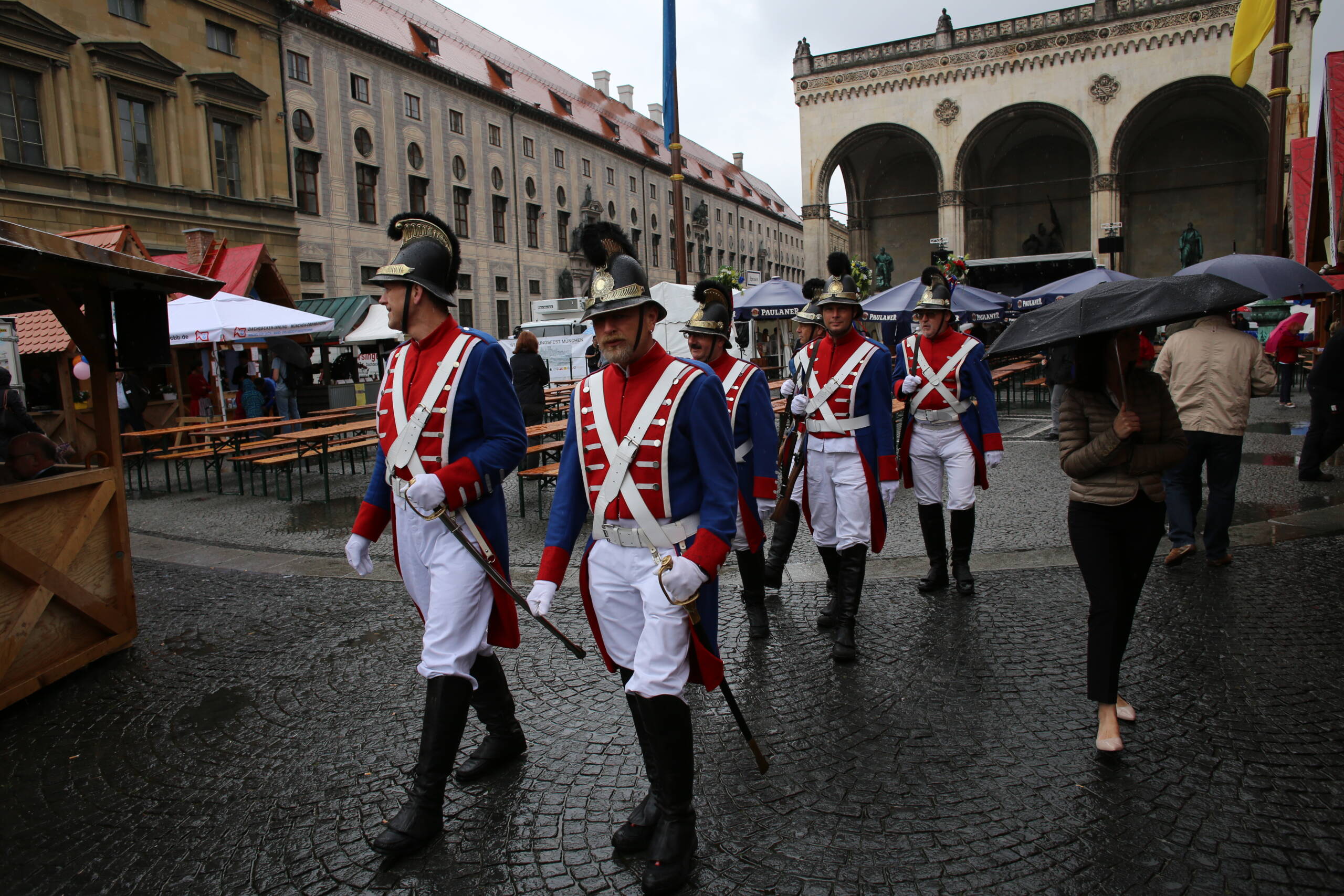
The charm of a European city lies in its unique blend of architecture, cuisine, language, and local customs, each telling a story of the place’s past. However, as cities strive to accommodate the growing number of tourists, they often prioritize convenience and appeal over authenticity. Iconic streets and squares, once bustling with local life, are now lined with souvenir shops and international fast-food chains. Local markets, which traditionally sold regional produce and artisanal goods, increasingly cater to tourists with generic, mass-produced trinkets. This shift not only impacts the local economy but also the everyday life of residents, who find their neighborhoods transformed into year-round tourist attractions.
Moreover, the architectural integrity of many cities is under threat. In an effort to cater to the demands of tourism, historic buildings are frequently converted into hotels or commercial spaces, often compromising their original character. New constructions, aimed at accommodating more visitors, sometimes clash with the historical aesthetics of these cities, creating a disjointed urban landscape. The preservation of historic sites is sometimes superficial, maintaining only the facade while the interior is completely modernized to meet the expectations of comfort and convenience that tourists demand.
Language and local customs are also victims of this shift. To cater to international visitors, local languages are often sidelined in favor of English, and traditional practices may be altered or scheduled for the convenience of tourists rather than being naturally integrated into daily life. This not only diminishes the linguistic diversity that is a hallmark of Europe but also disrupts the transmission of cultural knowledge and traditions to future generations.
The economic impact of tourism is undeniable and often cited as a reason to embrace these changes. Tourism can bring much-needed revenue and job opportunities to cities. However, this reliance on tourism can create a fragile economy, heavily dependent on the whims of global travel trends and susceptible to downturns, as seen during the COVID-19 pandemic. This economic model also tends to benefit large corporations and international businesses more than local entrepreneurs and residents, further contributing to the erosion of local culture and identity.
Efforts to combat these changes are emerging, with some cities implementing measures to control the influx of tourists and promote sustainable tourism. Initiatives like limiting the number of tourist accommodations, promoting off-season travel, and encouraging tourists to explore lesser-known areas can help mitigate the impact. However, these measures require strong political will and cooperation between local governments, businesses, and residents to be effective.
Ultimately, the preservation of Europe’s diverse national identities in the face of tourism’s pressures is a complex and ongoing challenge. It requires a delicate balance between welcoming visitors and safeguarding the unique cultural and historical fabric that makes each city special. Without thoughtful and concerted efforts, the distinctiveness of European cities may continue to fade, leaving behind a landscape that, while perhaps still picturesque, lacks the authentic character that once made it truly remarkable.