• Skip to main content
  • Skip to secondary menu
  • Skip to footer

Travel Marketing

Travel and Tourism Trends

  • Sponsored Post
  • Travel Event Calendar
  • Travel Market
  • Travel Magazine
  • About
  • Contact

Never Buy Anything from Street Vendors

October 3, 2025 By admin Leave a Comment

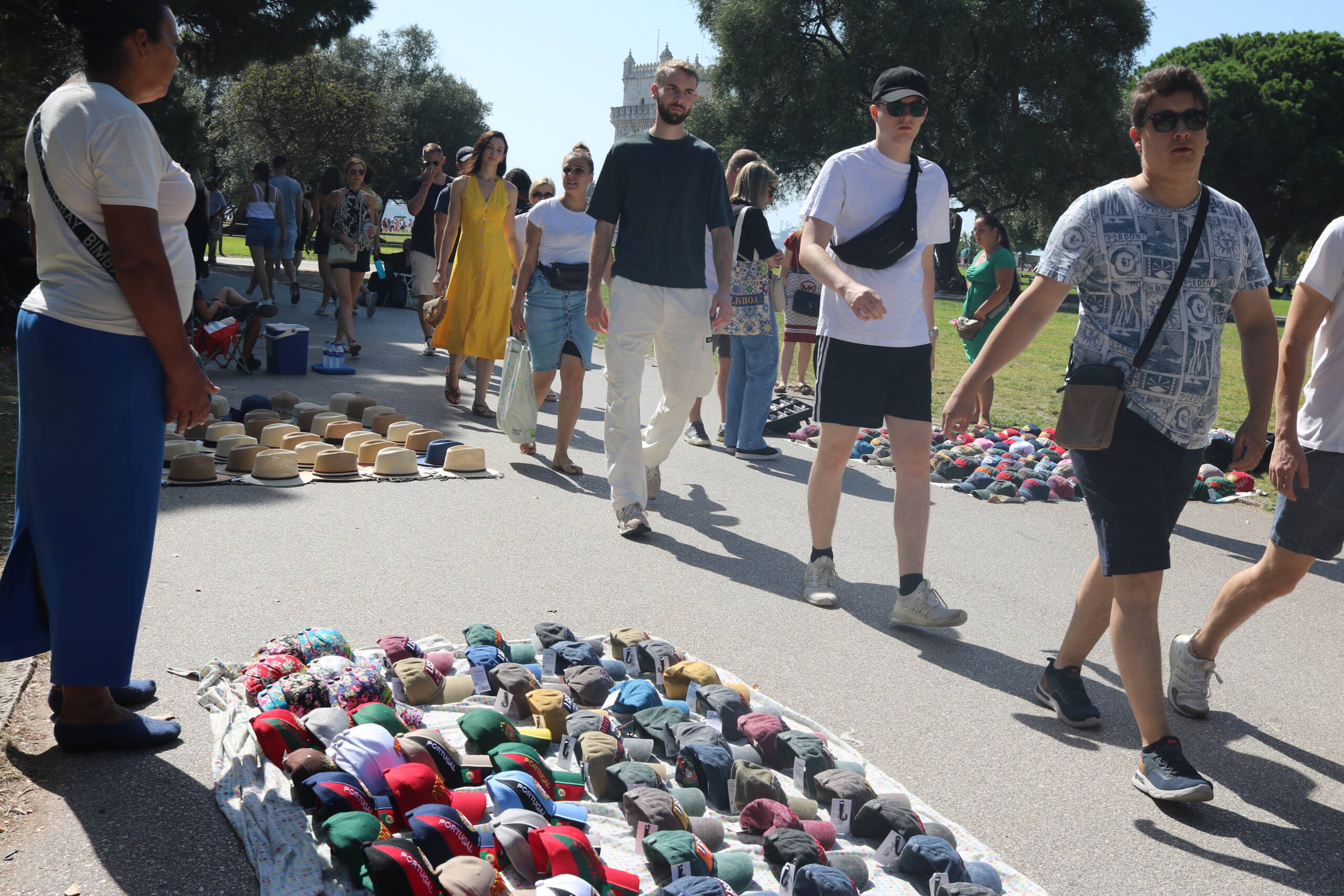
Tourist areas, especially in cities like Lisbon, Barcelona, Rome, or Paris, are full of scenes that look harmless on the surface: colorful stalls spread across the pavement, piles of cheap hats and T-shirts laid out on blankets, and vendors calling out for passing tourists to stop and buy. At first sight, it might seem like a casual part of the local culture, but the truth is far more problematic. These street setups are rarely about honest commerce; more often than not, they are gateways to crime, fraud, and even outright danger for unsuspecting visitors.
Never Buy Anything from Street Vendors

The merchandise itself is usually worthless. Mass-produced caps, imitation designer bags, fake sunglasses, and hats that barely last a few days are presented as souvenirs, but they are nothing more than low-quality imports designed to trick tourists into wasting money. These items are sold illegally, without licenses, without quality control, and without taxes. Tourists often end up paying inflated prices for goods that wouldn’t survive a single season back home. In many cases, counterfeit goods are involved, and purchasing them—even unknowingly—can land the buyer in legal trouble if customs decides to enforce penalties on return.

But the real threat goes beyond bad merchandise. Street vending in tourist hubs is frequently linked to organized crime networks. Many vendors are controlled by larger groups who use them as pawns. The setup is not just about selling caps or hats; it is also about creating opportunities for distraction. While one vendor is drawing attention to the goods, others nearby may be scanning the crowd for easy pickpocketing targets. This is a common tactic: the artificial chaos of negotiation and movement provides cover for thieves to slip hands into bags, unzip backpacks, or cut open purses. Tourists are ideal prey—distracted, carrying cash, phones, passports, and usually unfamiliar with the tactics being used against them.

Another risk comes from fraud and intimidation. It is not uncommon for tourists who show interest in an item to be pressured into buying, sometimes aggressively. Once you stop to look, walking away can become awkward or confrontational, with vendors blocking the path, shouting, or trying to guilt people into paying. Payment itself can be a trap—credit cards may be skimmed with portable readers, while cash transactions can involve fake bills slipped into the exchange. In some cases, if police approach, vendors may suddenly vanish, leaving tourists caught in the middle of an uncomfortable situation.

There is also the wider problem of safety. Street vendors often operate in groups with lookouts who monitor the area for police or security. These groups move quickly, sometimes running in large numbers when chased, creating dangerous stampedes through crowded tourist zones. Visitors caught in these sudden rushes risk theft, injury, or simply being knocked down. Moreover, buying from illegal vendors indirectly supports these networks, fueling cycles of crime, tax evasion, and exploitation that hurt both the local community and other tourists.

For anyone traveling in major tourist cities, the rule should be simple: never buy anything from street vendors. Not a hat, not a T-shirt, not even a bottle of water. What looks like a harmless purchase can easily become the first step in a scam, a setup for a pickpocket, or involvement in counterfeit crime. Stick to official shops, licensed stalls, and established local businesses. Street vendors thrive on the illusion that they are offering something cheap, fun, and cultural. In reality, they are selling risk, theft, and trouble wrapped up in flimsy merchandise.

The next time you see neat rows of hats laid out on a blanket under the summer sun, remember: behind that display is an entire system built on scams and distractions. The safest choice is to walk past without stopping, without making eye contact, and without opening your wallet. In tourist hotspots, caution is not paranoia—it is survival.

Filed Under: News

Reader Interactions

Leave a Reply Cancel reply

Your email address will not be published. Required fields are marked *

Footer

Recent Posts

  • Why Lisbon Cafés Are Putting Up No Laptops Signs: Coffee, Instagram, and the Remote Work Terrace
  • Four in Ten Travelers Visit Landmarks Mainly for the Photo: How Instagram and Reels Reshaped Tourism
  • Why Comporta Still Feels Empty: The Rice Estate Behind Portugal’s Most Coveted Beaches
  • Travel in 2026: Five Photos That Explain the Year’s Real Trends
  • Tiny Tourism: Why Travellers Are Choosing Towns Nobody Photographs
  • In Defence of the Hop-On Hop-Off Bus
  • EasyJet Agrees £5.7bn Apollo Takeover: What Changes for Passengers and What Doesn’t
  • Taormina Beach Guide: Mazzarò, Isola Bella, and What Nobody Tells You About the Pebbles
  • Juliet’s Balcony in Verona Was Added in the 1930s and the Crowds Do Not Care
  • St Mark’s Basilica in Venice: The Gold Mosaics Are Dimmer Than the Photographs Suggest

Media Partners

  • Virtual Travel Guide
  • Ancient Rome
Sintra at Noon, Venice at Midnight: Six European Cities and the Hour That Suits Them
Porto’s Chestnut Season Is the Shoulder Season Worth Booking
Venice at Night Is the Version No Access Fee Covers
The 18th-Century Fountain Hidden Inside Bordeaux’s Customs Museum Courtyard
The Bilbao Effect, 500 Years Early: Jerónimos Monastery And The Guggenheim
Bilbao’s Quiet Renaissance: From Industrial Port to Design Destination
Lisbon’s Seven Hills: A Walking Guide That Tells You the Truth
New Orleans: An American City That Plays by Different Rules
Ha Long Bay Without the Cruise Brochure
Istanbul at the Threshold: A City That Has Always Been Two Things at Once
Sponsored Post
About
Contact
Roman Concrete in Museum Fragments: What the Cross-Section Actually Shows
Roman Sarcophagi Spent More Time as Fountains and Church Tombs Than as Graves
Aquincum Museum Reconstructs 16 Roman Faces From Skulls Found on Budapest's Danube Frontier
Roman Public Latrines Reveal an Empire That Built Sanitation Without Achieving Hygiene
The Pont du Gard: Rome's Most Perfect Structure
Water Across the Empire: Roman Aqueducts and the Hydraulic Logic of Conquest
Who Cleaned Roman Rome: The Social Economy of Waste

Media Partners

  • Media Forum
  • Market Analysis
SanDisk (SNDK) Rallied 11.9% Into an S&P 100 Add That Forces Almost Nobody to Buy
Texas A&M Is Spending $11.8 Million on a Water Tower Before Its Semiconductor Institute Can Open
Cloudflare's September 15 AI Crawler Block Turns the Ad Tag Into an Access Key
Pedro Sánchez Lost Control at Ceuta and Blamed Everyone Else
Three European Cities Where Architecture and Festival Collide
Duane Davis Convicted in Tupac Shakur's 1996 Murder
AI Content Licensing in 2026: Who Is Actually Getting Paid, and Who Never Will
Google AI Overviews and the Publisher Traffic Collapse: What the 2026 Numbers Actually Show
NBCUniversal Puts Peacock Inside YouTube Premium, and Concedes Where the Audience Already Lives
Nexstar Owns Tegna and Isn't Allowed to Run It: Inside the Hold-Separate Order
The Immersive Experience in the Museum World
Japan, China, and Taiwan: A New Triangle of Risk — and a Window of Opportunity for Japan
Ghost Kitchens as Infrastructure: The Shift from Restaurants to Intelligent Food Networks
The Zoom Divide Nobody Saw Coming
The Perfect Budget Content-Creator Kit
Reimagining Prague’s Tourism Future Through Immersive Media and VR Museums
Israel’s Urban Paradox: Tel Aviv Moves, the Rest Stand Still
American Express Global Business Travel (GBTG): Understanding the Business and the Investment Case
Why the Canon R8 Paired With the New RF 45mm f/1.2 Lens Quietly Becomes the Content Creator’s Sweet-Spot
The Future of Travel: A $15.5 Trillion Industry

Copyright © 2026 Travel Marketing

Media Partners: Timey · Publishing House · Ancient Rome · Photography · Calendarial · Transportational