• Skip to main content
  • Skip to secondary menu
  • Skip to footer

Travel Marketing

Travel and Tourism Trends

  • Sponsored Post
  • Travel Event Calendar
  • Travel Market
  • Travel Magazine
  • About
    • Redrawing the Map of Travel Marketing
    • How We Work with Tourism Ministries to Promote Travel Destinations
    • Why Travel Agencies Should Partner with TravelMktg.com – Let’s Promote Destinations Together
  • Contact

How Food Photography Becomes Cultural Anthropology

September 30, 2025 By admin Leave a Comment

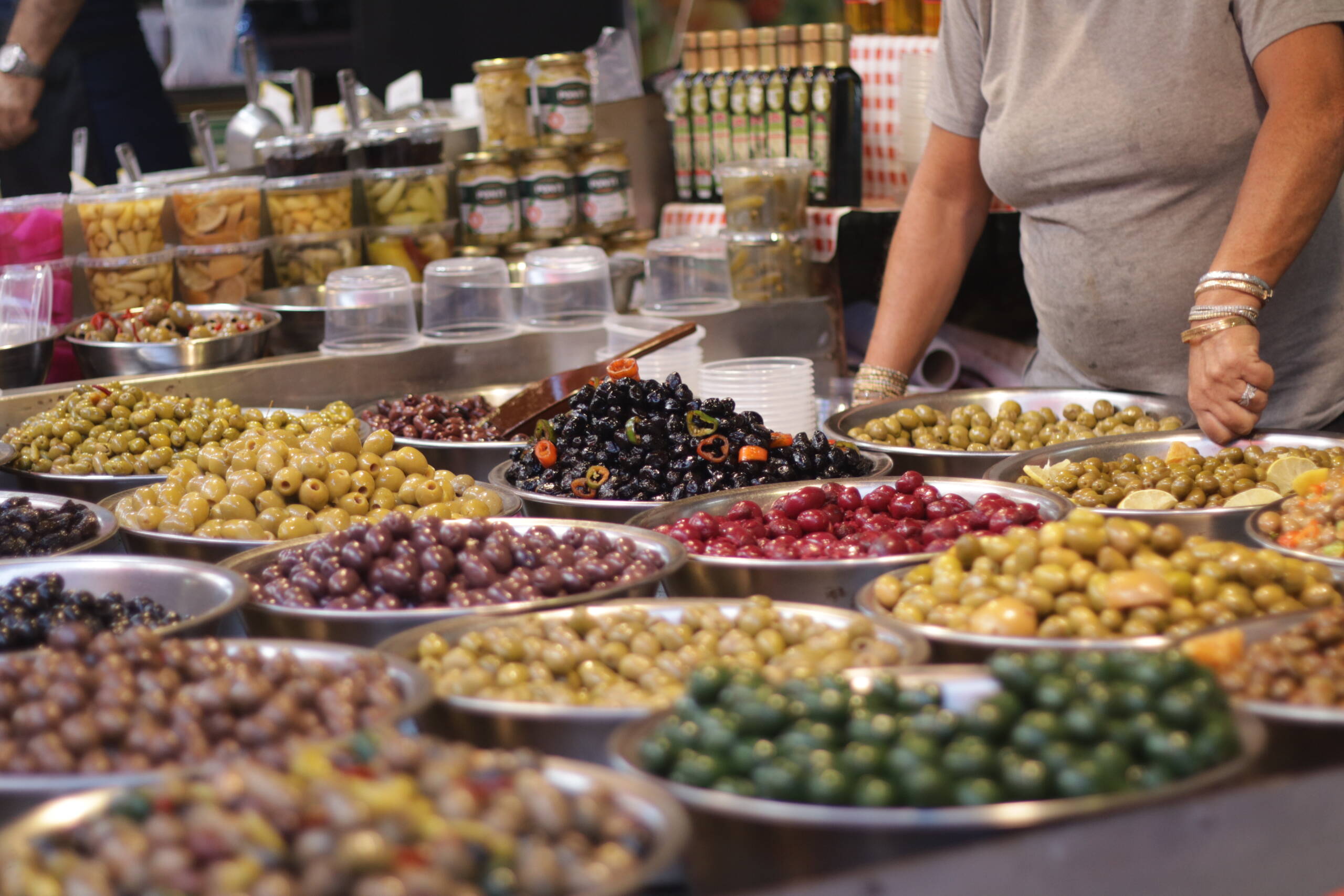
A photograph of olives in a bustling market might look, at first, like a simple still life of food. But step back, and it becomes something much deeper: a snapshot of culture, trade, and human history captured in bowls of color. The vendor’s hand resting near the trays, her bangles glinting against the soft light, adds a human layer that turns the scene into a story of exchange and tradition. Each bowl contains olives of different shades—green, purple, black, ruby-red, glossy or matte—testifying to centuries of cultivation techniques and culinary customs. These are not just ingredients; they are artifacts of regional identity, recipes passed down, and tastes shaped by geography and migration.
How Food Photography Becomes Cultural Anthropology

Food photography, when framed in this way, becomes cultural anthropology. It is not just about capturing how appetizing an olive looks in focus, but about reading the arrangement of foods as texts of culture. Why are chilies mixed in with black olives? Because spicing traditions travelled through caravans and conquests. Why so many colors of olives? Because communities valued diversity in flavor and preservation—salted, brined, or marinated with lemon and garlic. Even the jars stacked behind the vendor and the plastic cups waiting to be filled tell us about the interplay of tradition and modernity: artisanal goods sold in an age of convenience. The image becomes an archive of a living economy, a reflection of how markets operate as cultural crossroads.

In markets like these, photography documents more than products; it captures rituals. The act of tasting an olive before buying, the rhythm of bargaining, the repetition of gestures as vendors scoop, arrange, refill, and weigh—all these are performances passed down for generations. By freezing such moments, food photography reveals anthropology’s essence: the study of everyday life. Unlike polished studio shots of cuisine, these candid market images preserve authenticity, allowing us to see food not as an isolated product, but as part of a social fabric where memory, migration, and identity all converge.

That is why an image like this matters. A tray of olives becomes a portal to understanding Mediterranean trade routes, Ottoman legacies, Jewish and Arab culinary contributions, and the way global tastes are continuously reshaped in local stalls. A camera becomes the anthropologist’s notebook, turning each click into a record of how humans relate to food, and through it, to one another.

Filed Under: News

Reader Interactions

Leave a Reply Cancel reply

Your email address will not be published. Required fields are marked *

Footer

Recent Posts

  • Tourist Spending in South Korea Has Been Getting a Visible Tech-Driven Boost
  • Season-Switch Travelers: What to Wear When the Weather Can’t Decide
  • The Okura Resort Hakone Gora, Opening 2029 — A Forest Hideaway Above the Steam and Silence of Gora
  • El Chato Tops Latin America’s 50 Best: A Night of Culinary Electricity in Antigua, Guatemala
  • Marriott’s Luxury Reset: When High-End Travel Stops Being About “Having” and Starts Being About “Becoming”
  • Hyatt’s Luxury Momentum Picks Up Speed at ILTM Cannes
  • Sagrada Família — 100 Years of the Tower of Barnabas, Barcelona, November 30, 2025
  • Ubigi Tops the World for eSIM Connection Quality — And It’s Not Just Marketing
  • A Little Green Tourist Train and the Quiet Charm of Prague
  • KFC Rome Flagship Opening, December 2025, Italy

Media Partners

From the Temple of Debod to the Royal Palace: Madrid Reveals Itself
Finding Egypt in Madrid: My Afternoon at the Temple of Debod
Galicia and Galicia: Echoes Across Europe
A Sacred Niche in the Hills: Elijah’s Cave in Haifa
Sardinia in Stillness: The Art of Slowing Down by the Sea
Sicilian Sands: A Sun-Kissed Escape to the Shores of the Mediterranean
Seattle Sets Sail: Waterways Cruises Introduces New Summer Experiences
Plovdiv: Among the Seven Hills, Echoes of Empires Whisper
The Eternal Sentinel of Sofia: the Alexander Nevsky Cathedral in Sofia, Bulgaria
Kraków’s Historic Gateway: St. Florian’s Gate

Media Partners

Japan, China, and Taiwan: A New Triangle of Risk — and a Window of Opportunity for Japan
Ghost Kitchens as Infrastructure: The Shift from Restaurants to Intelligent Food Networks
The Zoom Divide Nobody Saw Coming
The Perfect Budget Content-Creator Kit
Reimagining Prague’s Tourism Future Through Immersive Media and VR Museums
Israel’s Urban Paradox: Tel Aviv Moves, the Rest Stand Still
American Express Global Business Travel (GBTG): Understanding the Business and the Investment Case
Why the Canon R8 Paired With the New RF 45mm f/1.2 Lens Quietly Becomes the Content Creator’s Sweet-Spot
The Future of Travel: A $15.5 Trillion Industry
The Immersive Experience in the Museum World

Copyright © 2022 TravelMktg.com

Market Analysis & Market Research