• Skip to main content
  • Skip to secondary menu
  • Skip to footer

Travel Marketing

Travel and Tourism Trends

  • Sponsored Post
  • Travel Event Calendar
  • Travel Market
  • Travel Magazine
  • About
  • Contact

Bring Back the Ships: Why Haifa Deserves a Cruise Comeback

November 1, 2025 By admin

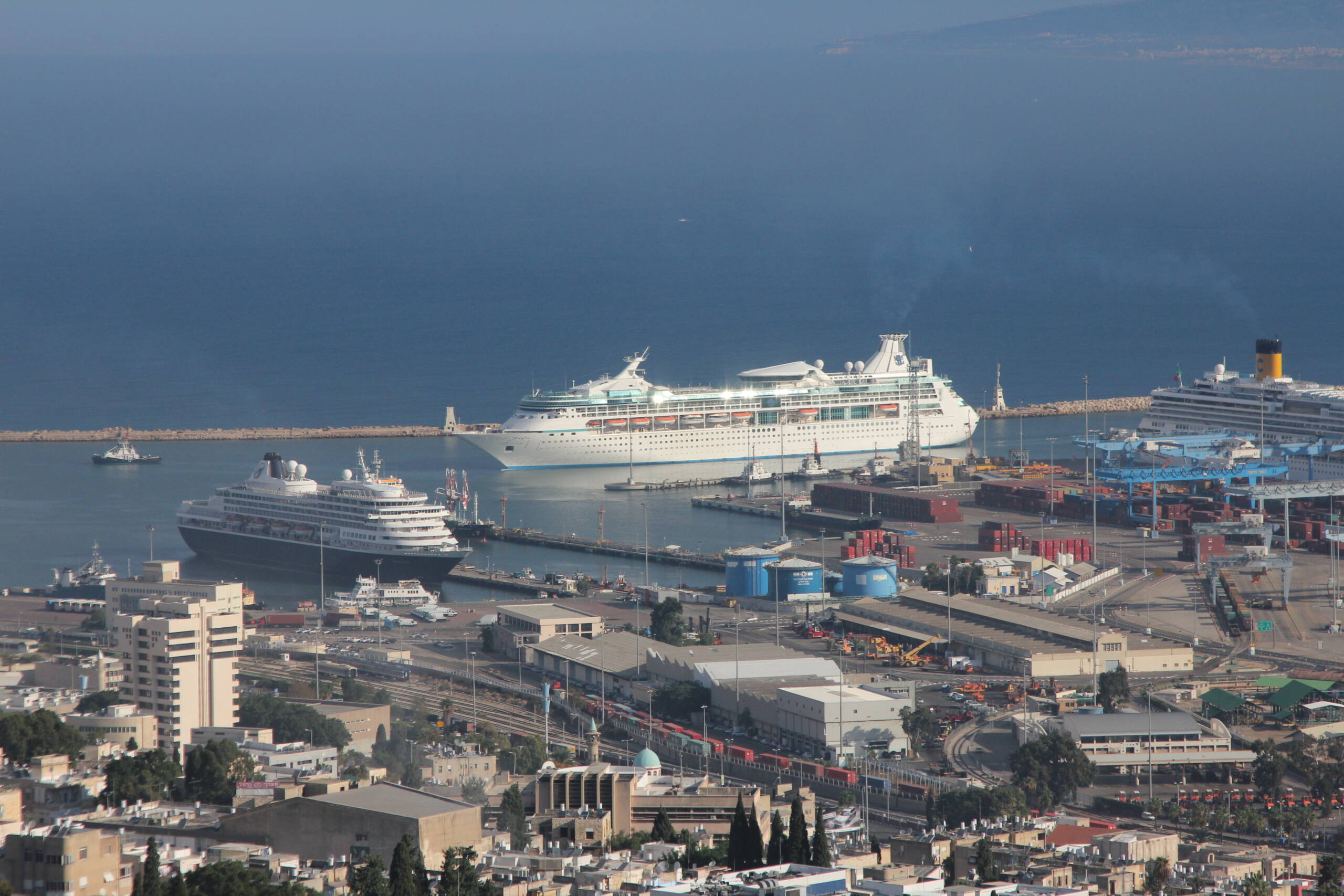
Looking out over Haifa Bay, where the cranes stand like frozen sentinels and the water mirrors a silence that feels almost too heavy, one can’t help but remember what it used to be like. Before the war, Haifa’s port had the hum of a living organism—Royal Caribbean liners docked beside smaller European vessels, the occasional luxury ship bound for Venice or the Greek islands, and local guides waiting eagerly at the terminal gates. Taxis lined up, souvenir shops opened early, and the streets near the German Colony filled with languages from every continent. There was movement, optimism, and the sense that Haifa had become a genuine Mediterranean cruise destination—a northern counterpoint to Ashdod’s busier but less scenic industrial edge.
Bring Back the Ships: Why Haifa Deserves a Cruise Comeback

Now the harbor tells another story. The berths are empty except for the lone Mano Cruises ship, faithfully maintaining a local circuit to Cyprus and Greece. It’s a brave gesture, but one that also underscores the void left behind. Foreign cruise lines, wary of instability and perception risks, have redrawn their maps. The war ended, but the confidence hasn’t returned. What used to be a season full of port calls and passenger footfall has become an occasional event, almost nostalgic in its rarity. For a country so dependent on tourism’s symbolic and economic power, this should ring alarm bells far beyond the Ministry of Tourism’s office windows.

If Israel is serious about rebuilding its image as a welcoming and resilient destination, then the government must act decisively to bring back the ships. Cruise tourism isn’t just another niche—it’s one of the most effective soft-power instruments a coastal nation has. A single ship can bring two thousand visitors who spend freely, explore locally, and return home as informal ambassadors. They don’t just buy souvenirs; they bring back stories. Every cappuccino in the German Colony, every selfie taken at the Bahá’í Gardens, every stroll down Ben Gurion Boulevard adds up to a living advertisement more authentic than any campaign budget could buy. Losing that flow means losing visibility, connection, and credibility.

The path to revival isn’t mysterious—it just requires initiative. Israel should offer temporary port fee reductions for returning cruise lines, perhaps even subsidized refueling rates or logistics support during the transition period. The Ministry of Tourism could partner with major European operators to craft joint marketing campaigns highlighting the “Safe Shores of Haifa” narrative—a return to normalcy framed not as risk, but as renewal. Port authorities could upgrade passenger terminals with smoother security procedures, faster disembarkation, and hospitality services that feel like a warm welcome rather than a checkpoint.

Equally important is diplomacy. Coordinating itineraries with neighboring countries—Cyprus, Greece, Egypt—would make Haifa part of a wider Mediterranean circuit once again. Cruise lines are drawn to stability and convenience; if Israel can present itself as a seamless part of a regional experience rather than a geopolitical question mark, the equation changes. That might also mean joint tourism events, shared sea routes, and even co-hosted festivals that stretch across borders, showing that the Eastern Mediterranean isn’t a patchwork of risks, but a network of experiences waiting to be rediscovered.

There’s also the cultural aspect. Haifa has quietly evolved into one of Israel’s most cosmopolitan cities, with coexistence not as a slogan but as a lived reality. Tourists stepping off a ship here would find cafés serving Arabic coffee beside French patisseries, synagogues and mosques within walking distance, and a relaxed Mediterranean energy that contrasts beautifully with the intensity of Jerusalem or Tel Aviv. The cruise terminal could be more than a transport node—it could become a cultural gateway, a curated microcosm of Israel’s diversity designed to leave a lasting impression.

The tragedy would be if this silence became permanent, accepted as the new normal. Ports, like cities, are living things; once they lose their rhythm, it takes deliberate effort to restore it. Waiting for “things to get better” is not a policy. What Haifa needs is leadership that sees beyond fear and bureaucracy, one that recognizes that every docked cruise ship is not just a revenue stream, but a diplomatic and cultural bridge.

There was a time when the evening light hit the decks of three great ships moored in the same frame, their horns sounding across the bay like a maritime chorus. That sound should not belong to memory alone. Israel can bring it back—with incentives, with cooperation, with courage. The Mediterranean hasn’t changed, the sea still welcomes, and Haifa’s skyline still waits for its reflection to return in the polished hulls of arriving ships.

Filed Under: News

Footer

Recent Posts

  • Royal Caribbean Buys 50% of Sandals Resorts for About $3 Billion, Bringing Cruises and All-Inclusives Together
  • TOURISE Summit 2027: March 23-25, Riyadh, Saudi Arabia
  • Wrocław’s Market Square in Fisheye: Why I Kept the Distortion
  • Salamanca’s Stone Faces: A Photo Essay in Five Frames
  • Europe’s Tourist Crime Belt: Pickpockets, Bracelet Scams, and Why the Same Offenders Keep Working
  • The Beach Racket in Italy, Greece and Spain: Turnstiles, Cheap Concessions, and a Shoreline You Can’t Reach
  • Why Lisbon Cafés Are Putting Up No Laptops Signs: Coffee, Instagram, and the Remote Work Terrace
  • Four in Ten Travelers Visit Landmarks Mainly for the Photo: How Instagram and Reels Reshaped Tourism
  • Why Comporta Still Feels Empty: The Rice Estate Behind Portugal’s Most Coveted Beaches
  • Travel in 2026: Five Photos That Explain the Year’s Real Trends

Media Partners

  • Virtual Travel Guide
  • Ancient Rome
  • Travel Magazine
Largo do Chiado at Night: A Brasileira, the Bronze Poet and a Floor Made of Waves
Sintra at Noon, Venice at Midnight: Six European Cities and the Hour That Suits Them
Porto’s Chestnut Season Is the Shoulder Season Worth Booking
Venice at Night Is the Version No Access Fee Covers
The 18th-Century Fountain Hidden Inside Bordeaux’s Customs Museum Courtyard
The Bilbao Effect, 500 Years Early: Jerónimos Monastery And The Guggenheim
Bilbao’s Quiet Renaissance: From Industrial Port to Design Destination
Lisbon’s Seven Hills: A Walking Guide That Tells You the Truth
New Orleans: An American City That Plays by Different Rules
Ha Long Bay Without the Cruise Brochure
Sponsored Post
About
Contact
George Loring Brown's Temple of Peace Painting and the Roman Forum's Most Misnamed Ruin
Half of This Roman Mosaic Glass Bowl Is Plaster, and the Smithsonian Kept It
Julius Caesar's 44 BCE Denarius: The Coin That Helped Get Him Killed
Juno Moneta: How a Roman Goddess Gave Us the Words Money and Mint
Piranesi's Altar to Apollo and the 18th-Century Business of Selling Ancient Rome
A Freed Slave in Augustan Rome Paid to Have His Wrinkles Carved in Marble
The Badminton Sarcophagus Was Carved While the Roman Empire Was Coming Apart
Dolma in Baku: What to Order, How It's Served and Why UNESCO Lists It
Belém Tower Reopened in 2026: Timed Slots, a €15 Ticket and Whether to Go Inside
Big Buddha Temple on Koh Samui: The Naga Staircase, the Dress Code and When to Go
Burgos Cathedral: El Cid's Tomb, the Papamoscas and Free Tuesday Mornings
Caesarea Maritima: Herod's Harbour City, the Ticket and the Free Aqueduct Beach
Catania's Piazza del Duomo: The Lava Elephant, Sant'Agata and the Fish Market Next Door
Château de Fougères: 13 Towers, a Moat and Brittany's Border Fortress
La Cité du Vin in Bordeaux: What €23 Gets You, From the Exhibits to the Rooftop Glass
Haifa Cruise Port in 2026: A New Terminal, One Regular Ship and Which Lines Might Return
Hundertwasserhaus in Vienna: You Can't Go In, So Here's What to Do Instead

Media Partners

  • Travel Market
  • Timey.org
American Museum of Natural History: $37 for Out-of-State Adults and a $465 Million Gilder Center
EU Entry/Exit System Is Live at Every Border, and ETIAS Is Delayed Again With No Date
Hofbräuhaus Munich Pours a Litre for €11.60, About €4 Less Than an Oktoberfest Mass
Hundertwasserhaus Vienna: Free to Look At, Closed to Visitors, With a Paid Museum Five Minutes Away
Les Halles de Bacalan: Bordeaux's Food Hall Next to the Cité du Vin, With About 20 Stalls and No Mondays
Les Machines de l'île Nantes: €12 to Ride a 48-Tonne Elephant, With Rides Paused From November
The Met Charges Visitors $30, While New York State Residents Still Pay What They Wish
Munich Residenz Antiquarium: The Largest Renaissance Hall North of the Alps for a €10 Ticket
Musée des Confluences Lyon: A €255 Million Building, 700,000 Visitors a Year and a €12 Ticket
National Gallery London Stays Free After the UK Drops a Plan to Charge Foreign Visitors
Martian Moon eXplorer 2026, October 19, Yoshinobu Launch Complex LP-2, Tanegashima
Orbital Launch Schedule, Late September and October 2026, With Crew-13 and Starship Flight 14
Why Lisbon Left the Carmo Convent Roofless
Gauguin's Arearea: The Red Dog Paris Mocked in 1893 and the Painting He Bought Back
Plum Tart Is Coming, and These Are the Plums Going Into It
Bandinelli's Hercules and Cacus: It Looks Like a Forced Sexual Act Prelude
The Fencer of Wroclaw: A 1904 Fountain That Outlived the City That Commissioned It
Taobuk and the Infiorata: Two Kinds of Public Culture in One Taormina Square
The Padrão do Salado in Guimarães: Why Portugal's Birthplace Commemorates a Castilian Victory
Wawel Hill in Kraków: The Castle, the Bronze Model, and the Churches Drawn on the Grass

Copyright © 2026 Travel Marketing

Media Partners: Timey · Publishing House · Ancient Rome · Photography · Calendarial · Transportational