• Skip to main content
  • Skip to secondary menu
  • Skip to footer

Travel Marketing

Travel and Tourism Trends

  • Sponsored Post
  • Travel Event Calendar
  • Travel Market
  • Travel Magazine
  • About
  • Contact

Japan Tourism Rewrites Its Playbook as Chinese Travel Slows

November 21, 2025 By admin

Japan always felt like a place that could depend on the steady influx of Chinese travelers—tour groups with coordinated flags winding through Asakusa, suitcases rolling across Ginza’s polished sidewalks, and duty-free shopping bags stacked in airports like trophies of a weekend spree. For years, this flow wasn’t just tourism—it was a structural economic pillar. Then tensions escalated, travel advisories went out, cancellations piled up, and suddenly a market many assumed was permanent revealed how fragile global demand can be.
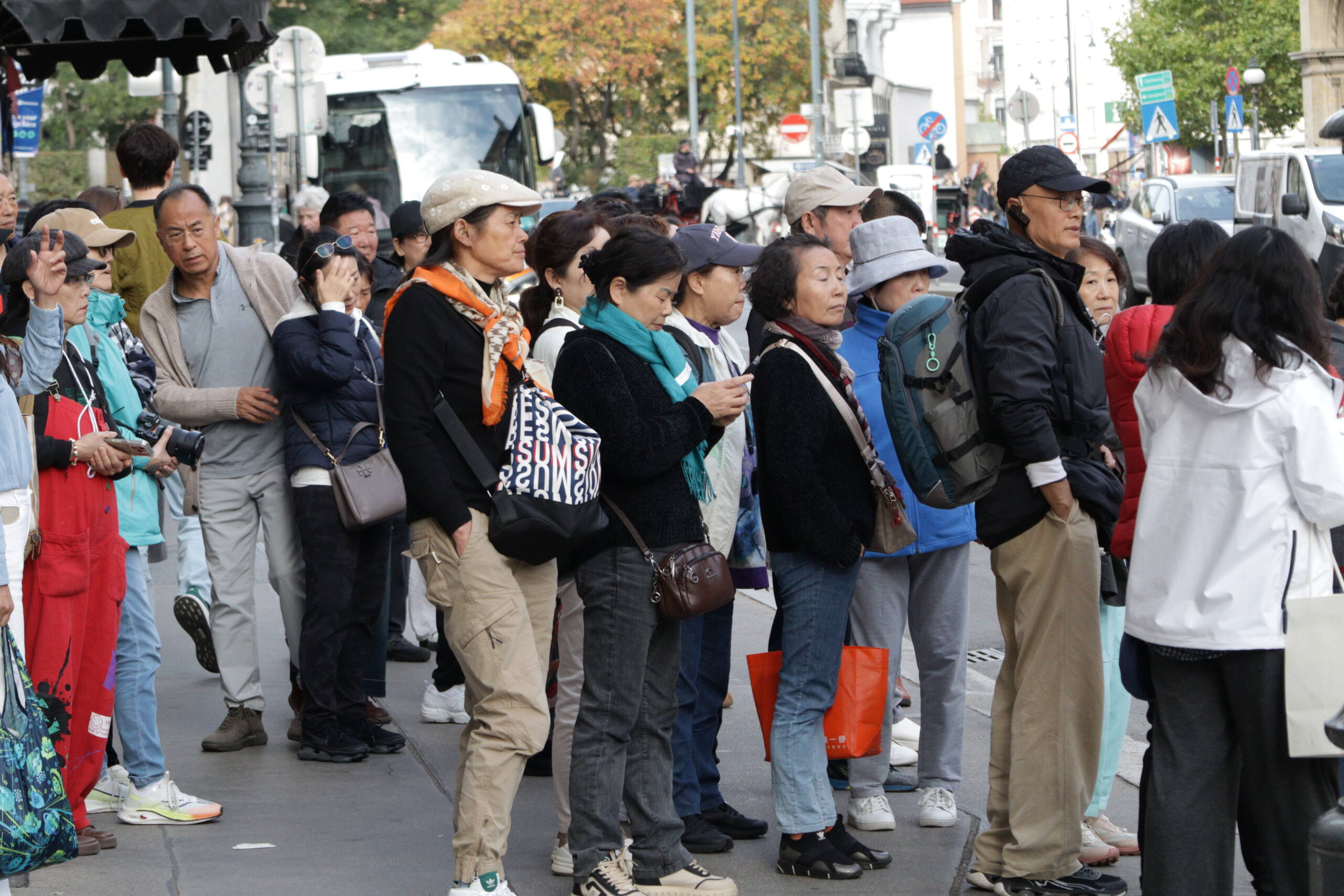
Asian tourism

Now Japan finds itself in a moment of forced adaptation. The shift happened quickly: stock prices of tourism-exposed companies stumbled, hotel occupancy forecasts changed tone, and policymakers started talking about diversification rather than reliance. The abrupt slowdown in Chinese arrivals exposed a hard truth—Japan’s tourism boom was overly concentrated. While Chinese visitors represented roughly a quarter of inbound travelers, they accounted for more than a third of total tourism spending, particularly in premium retail, cosmetics, pharmaceuticals, and high-margin hospitality. Losing that segment isn’t just a dip in headcount; it changes the financial model of tourism itself.

But Japan isn’t just sitting still. One of the most interesting developments is the emerging pivot toward Southeast Asia, India, South Korea, and Western long-haul travel markets. Airlines are rebalancing schedules. Tourism boards are translating campaigns into Thai, Vietnamese, and Bahasa Indonesian rather than relying on Mandarin-first messaging. Even shopping districts—once entirely geared toward Chinese consumption patterns—are experimenting with multilingual digital payment options, varied product lines, and marketing that focuses less on “luxury quantity buying” and more on “experience-based travel.”

Domestic tourism is also quietly stepping back into the spotlight. After COVID, Japanese citizens rediscovered their own country: regional trains filled up, ryokan stays surged, and small towns enjoyed spending that once flowed only through Tokyo, Osaka, or Kyoto. That momentum never entirely disappeared, and now it’s being nurtured again—not as a stopgap but as a stabilizer. Local governments are offering travel vouchers, prefectures are revamping heritage sites, and the narrative is shifting from mass tourism to cultural depth, slower travel, and seasonality beyond cherry blossoms and autumn leaves.

There’s also a subtle but important mindset change among investors and operators. The old tourism strategy treated inbound spending almost like a commodity economy: scale, volume, repeat. The new thinking leans closer to portfolio management—spread the risk, seek diverse markets, create differentiated value, and avoid overexposure to any single geopolitical channel. If Japan’s beauty brands, hospitality groups, luxury retailers, airlines, and tourism platforms once built around a single dominant audience, they are now recalibrating toward resilience.

Even the traveler experience is evolving. Japan is leaning harder into culinary tourism, outdoors and national park travel, anime and pop-culture itineraries, wellness destinations, and sustainable tourism trails that were once secondary projects. There’s a faint sense that this might ultimately be healthier for the industry—less dependent on group tours and more aligned with travelers who stay longer, explore deeper, and engage more meaningfully.

The situation isn’t without pain. Businesses optimized for Chinese group travel—duty-free corridors, volume retail, and high-turnover tour dining—will need structural change, not just marketing polish. Some will struggle. Others will reinvent. And Japan, with its tendency to quietly but decisively adapt rather than panic, seems already in motion.

The broader story is almost cyclical: a tourism superpower discovering that global mobility isn’t guaranteed and that geopolitics can reshape economies faster than any marketing campaign. Yet there’s also a sense of quiet confidence. Japan has the cultural gravity, the memories, the landscapes, the craftsmanship, and the mystique that travelers return to—even if the path back temporarily reroutes.

And tourism, like water, always finds a new channel.

Filed Under: News

Footer

Recent Posts

  • Royal Caribbean Buys 50% of Sandals Resorts for About $3 Billion, Bringing Cruises and All-Inclusives Together
  • TOURISE Summit 2027: March 23-25, Riyadh, Saudi Arabia
  • Wrocław’s Market Square in Fisheye: Why I Kept the Distortion
  • Salamanca’s Stone Faces: A Photo Essay in Five Frames
  • Europe’s Tourist Crime Belt: Pickpockets, Bracelet Scams, and Why the Same Offenders Keep Working
  • The Beach Racket in Italy, Greece and Spain: Turnstiles, Cheap Concessions, and a Shoreline You Can’t Reach
  • Why Lisbon Cafés Are Putting Up No Laptops Signs: Coffee, Instagram, and the Remote Work Terrace
  • Four in Ten Travelers Visit Landmarks Mainly for the Photo: How Instagram and Reels Reshaped Tourism
  • Why Comporta Still Feels Empty: The Rice Estate Behind Portugal’s Most Coveted Beaches
  • Travel in 2026: Five Photos That Explain the Year’s Real Trends

Media Partners

  • Virtual Travel Guide
  • Ancient Rome
Largo do Chiado at Night: A Brasileira, the Bronze Poet and a Floor Made of Waves
Sintra at Noon, Venice at Midnight: Six European Cities and the Hour That Suits Them
Porto’s Chestnut Season Is the Shoulder Season Worth Booking
Venice at Night Is the Version No Access Fee Covers
The 18th-Century Fountain Hidden Inside Bordeaux’s Customs Museum Courtyard
The Bilbao Effect, 500 Years Early: Jerónimos Monastery And The Guggenheim
Bilbao’s Quiet Renaissance: From Industrial Port to Design Destination
Lisbon’s Seven Hills: A Walking Guide That Tells You the Truth
New Orleans: An American City That Plays by Different Rules
Ha Long Bay Without the Cruise Brochure
Sponsored Post
About
Contact
George Loring Brown's Temple of Peace Painting and the Roman Forum's Most Misnamed Ruin
Half of This Roman Mosaic Glass Bowl Is Plaster, and the Smithsonian Kept It
Julius Caesar's 44 BCE Denarius: The Coin That Helped Get Him Killed
Juno Moneta: How a Roman Goddess Gave Us the Words Money and Mint
Piranesi's Altar to Apollo and the 18th-Century Business of Selling Ancient Rome
A Freed Slave in Augustan Rome Paid to Have His Wrinkles Carved in Marble
The Badminton Sarcophagus Was Carved While the Roman Empire Was Coming Apart

Media Partners

  • Media Forum
  • Market Analysis
Tech Digest: Google's £1.2B Play Store Case, Toshiba's AI Hard Drive Push, Gemini's Free Tier Cut and Valley's $340M Bluevine Deal
Four Nights in Europe: What Mixed Artificial Light Does to a Photograph
Brussels Social Housing Standoff: MR Freezes €131 Million Over Foyer Anderlechtois Chairman
Syracuse Has No Town Beach, So Ortigia Swims Off the Rocks
Weekly Network Analytics Summary: August 30 to September 5, 2026
SanDisk (SNDK) Rallied 11.9% Into an S&P 100 Add That Forces Almost Nobody to Buy
Texas A&M Is Spending $11.8 Million on a Water Tower Before Its Semiconductor Institute Can Open
Cloudflare's September 15 AI Crawler Block Turns the Ad Tag Into an Access Key
Pedro Sánchez Lost Control at Ceuta and Blamed Everyone Else
Three European Cities Where Architecture and Festival Collide
The Immersive Experience in the Museum World
Japan, China, and Taiwan: A New Triangle of Risk — and a Window of Opportunity for Japan
Ghost Kitchens as Infrastructure: The Shift from Restaurants to Intelligent Food Networks
The Zoom Divide Nobody Saw Coming
The Perfect Budget Content-Creator Kit
Reimagining Prague’s Tourism Future Through Immersive Media and VR Museums
Israel’s Urban Paradox: Tel Aviv Moves, the Rest Stand Still
American Express Global Business Travel (GBTG): Understanding the Business and the Investment Case
Why the Canon R8 Paired With the New RF 45mm f/1.2 Lens Quietly Becomes the Content Creator’s Sweet-Spot
The Future of Travel: A $15.5 Trillion Industry

Copyright © 2026 Travel Marketing

Media Partners: Timey · Publishing House · Ancient Rome · Photography · Calendarial · Transportational