A cruise used to begin with a brochure, maybe a recommendation from a travel agent, and a bit of imagination. Now it often starts with a swipe. A slow pan across a balcony at sunrise, a quick cut of endless buffet options, a perfectly timed jump into a pool somewhere in the Caribbean… and just like that, the idea of booking a cruise feels less like planning and more like joining a lifestyle already in motion.
Bloomberg reports that cruise influencers are earning as much as $350,000 a year, and that number is less surprising than it might seem at first glance. These creators are not just documenting trips; they are effectively acting as distributed marketing teams for cruise operators, translating the experience into formats that are easy to consume and, more importantly, easy to desire. The content is casual, often imperfect in a good way, and it removes the friction that traditional travel advertising sometimes carries.
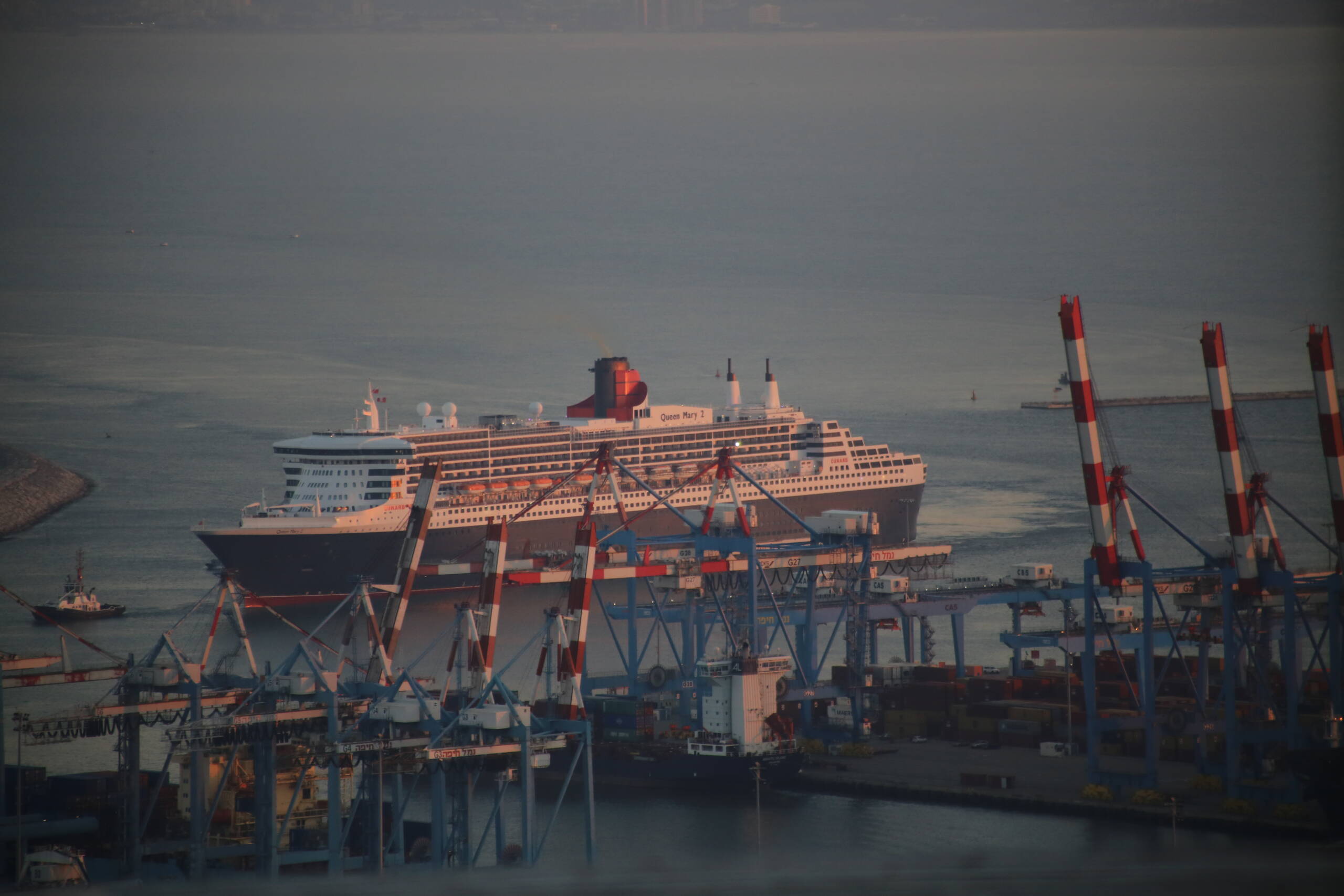
At the same time, the cruise industry is riding a wave of strong demand. Operators are reporting record bookings, with some lines already filling a significant portion of their future capacity at premium pricing. The timing aligns almost too neatly with the rise of short-form video and travel influencers who specialize in turning everyday onboard moments into compelling narratives. It is not just the destinations anymore; it is the experience of being on the ship that sells.
There is also a generational shift happening beneath the surface. Younger travelers, particularly Gen Z, are approaching travel differently. They are less interested in formal itineraries and more drawn to experiences that feel shareable, flexible, and visually engaging. Cruise influencers tap directly into that mindset. A quick walkthrough of a cabin, a “day in the life” at sea, or a spontaneous port excursion creates a sense of familiarity before the trip even begins. It lowers the psychological barrier to booking in a way that traditional campaigns rarely manage.
What makes this dynamic especially interesting is how it compresses the entire marketing funnel. Discovery, consideration, and decision are often happening within a single piece of content. A viewer sees a video, imagines themselves in that setting, and starts checking prices within minutes. The influencer is not just raising awareness; they are accelerating conversion.
For cruise operators, this is turning into a structural advantage. Instead of relying solely on large-scale campaigns, they can work with a network of creators who each speak to a specific audience segment. Some focus on luxury, others on budget travel, some on solo trips, others on family experiences. The result is a fragmented but highly effective ecosystem of promotion that feels organic rather than imposed.
And maybe that is the key difference. The modern traveler does not want to be sold a cruise in the traditional sense. They want to feel like they discovered it themselves, even if that discovery was carefully orchestrated through an algorithm and a well-timed post.
Cruise influencers did not just find a niche. They reshaped how the industry presents itself, one short clip at a time.
Leave a Reply