Las Vegas keeps earning its place at the top, and not just because of scale. The city has turned conferences into a full-stack experience where logistics are almost boringly smooth, flights are constant, hotels are built to absorb sudden demand spikes, and venues like the Las Vegas Convention Center feel engineered for movement rather than confusion. What really makes Las Vegas work, though, is how it separates work from distraction in a strangely efficient way: sessions during the day, decompression at night, repeat. You leave tired but productive, which is kind of the point.
Berlin feels like the intellectual counterweight. Conferences here tend to lean heavier on substance, policy, engineering, or culture, and the city rewards that with venues that are central, walkable, and surrounded by places where conversations don’t abruptly stop when the badge comes off. Messe Berlin anchors a lot of large events, but what matters more is the ecosystem around it: startups, research institutes, art spaces, and cafés where post-panel debates stretch longer than planned. Berlin conferences often feel less transactional, more exploratory, and that mood lingers.
Barcelona sits in a sweet spot where serious conferences and lifestyle coexist without friction. Fira Gran Via is one of those venues that quietly handles massive crowds while letting the city remain the star. You can walk out of a dense keynote schedule and be eating well within minutes, usually outside, usually still talking shop. Barcelona works especially well for global events because it feels neutral yet magnetic, professional without being stiff, and just relaxed enough to keep people open.
Singapore is what happens when infrastructure becomes invisible because it works so well. Conferences here run on time, tech behaves, transport is frictionless, and venues like Marina Bay Sands integrate hotels, expo halls, and meeting rooms into a single organism. What sets Singapore apart is trust: organizers trust the city to deliver, attendees trust the experience won’t waste their energy. It’s particularly strong for tech, finance, logistics, and anything Asia-facing, where regional access actually shapes attendance.
Dubai is about ambition, scale, and signaling. Hosting a conference at Dubai World Trade Centre sends a message before the first speaker walks on stage. The city excels at attracting global audiences, especially for industries where capital, infrastructure, and future-facing narratives intersect. Dubai conferences tend to feel aspirational, sometimes overwhelming, but undeniably effective when the goal is visibility, deal-making, and compressing global reach into a short window.
Paris adds something harder to quantify. Venues like Porte de Versailles handle enormous events, but the city brings cultural gravity that changes how conferences are perceived. A Paris conference often feels more like an occasion than a task. People dress differently, schedule differently, linger differently. It’s particularly strong for creative industries, luxury, policy, and anything that benefits from atmosphere as much as agenda, even if the logistics occasionally test your patience.
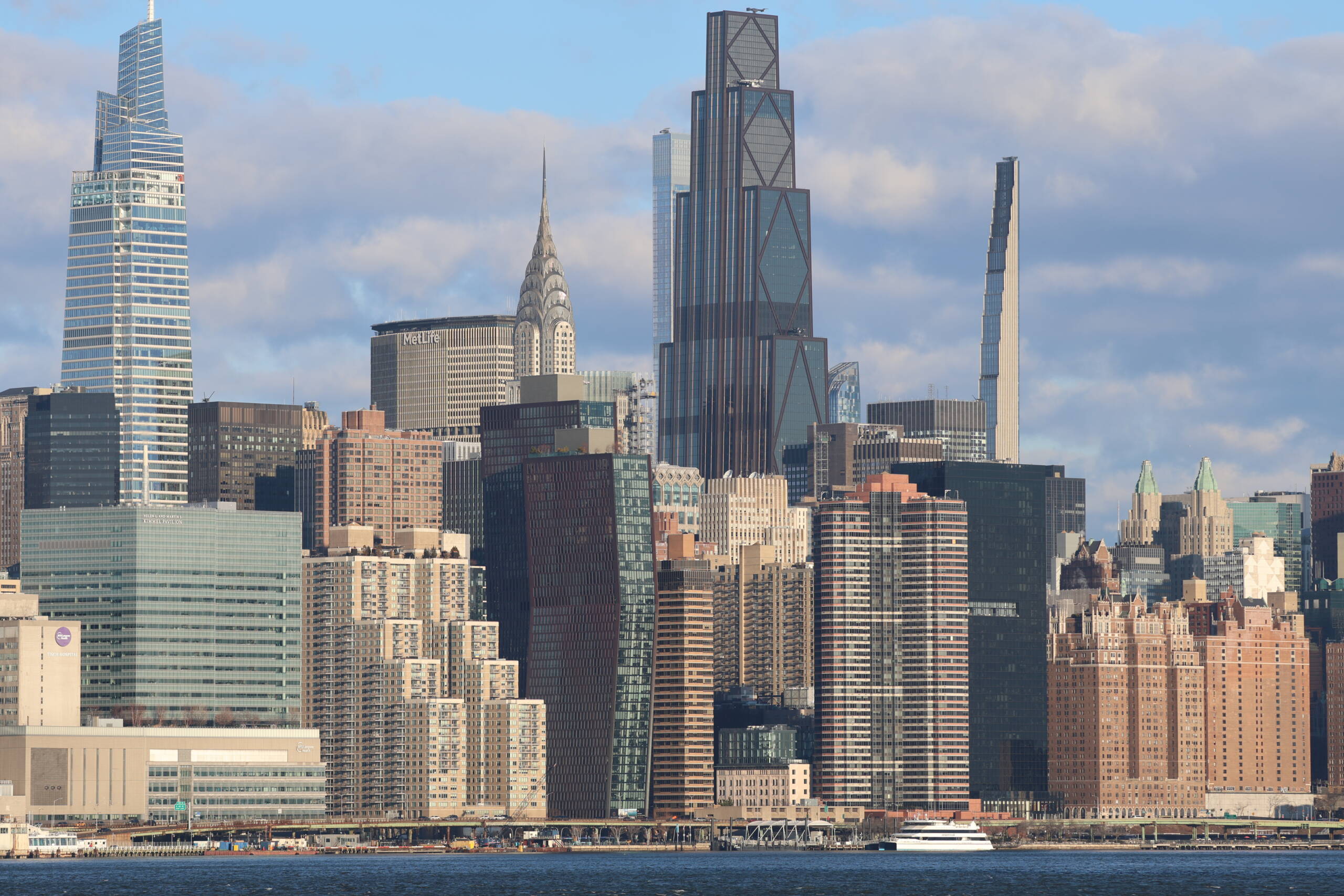
New York brings density, urgency, and proximity to power into the mix. Conferences at places like the Javits Center plug directly into finance, media, government, and big tech, often within a few subway stops. The pace is faster, schedules tighter, and networking more direct, sometimes brutally so, but that’s exactly why New York works. You come for access, relevance, and momentum, and you leave feeling like the event was plugged straight into the bloodstream of the industry.
Tel Aviv punches far above its size. Conferences here feel compact, intense, and unusually honest, often blurring the line between formal panels and improvised hallway debates. Expo Tel Aviv anchors the bigger events, but the real value is the startup density surrounding them. Founders, engineers, investors, and policymakers move in overlapping circles, which makes conversations fast and surprisingly deep. Tel Aviv works best for cybersecurity, AI, defense tech, and anything where innovation is shaped by urgency rather than polish.
Zooming out, the strongest conference destinations aren’t just about venues or flight connections. They’re about rhythm. Cities that let ideas spill from stage to street, from panel to dinner, from badge to memory. The places above don’t just host conferences; they absorb them, shape them, and quietly influence what people take home when the event is over.
Upcoming technology conferences:
- International Compact Modeling Conference, July 30–31, 2026, Long Beach, California
- Israel Tech Week Miami (ISRTW), April 27–30, 2026, Miami, Florida
- Data Centre World London, 4–5 March 2026, ExCeL London
- Hannover Messe: Trade Fair for the Manufacturing Industry, 20–24 April 2026, Hannover, Germany
- DesignCon 2026, Feb. 24–26, Santa Clara Convention Center
- NICT at Mobile World Congress 2026, March 2–5, Barcelona
- Sonar Summit: A global conversation about building better software in the AI era, March 3, 2026
- Cybertech 2026: Proof That the Industry Is Finally Catching Up With Reality
- Chiplet Summit 2026, February 17–19, Santa Clara Convention Center, Santa Clara, California
- MIT Sloan CIO Symposium Innovation Showcase 2026, May 19, 2026, Cambridge, Massachusetts
Leave a Reply