Summers That Aren’t Just Summers Anymore
There was a time when summer for college students meant a long stretch of idleness, a season of beaches, part-time jobs scooping ice cream, and staying up too late just because the mornings were yours to waste. That picture still exists, faintly, but it’s increasingly crowded out by new realities. Ask a group of students today what they’re doing over summer break and you’ll hear a patchwork of answers that reflect the push and pull of ambition, necessity, and the simple human need to breathe.
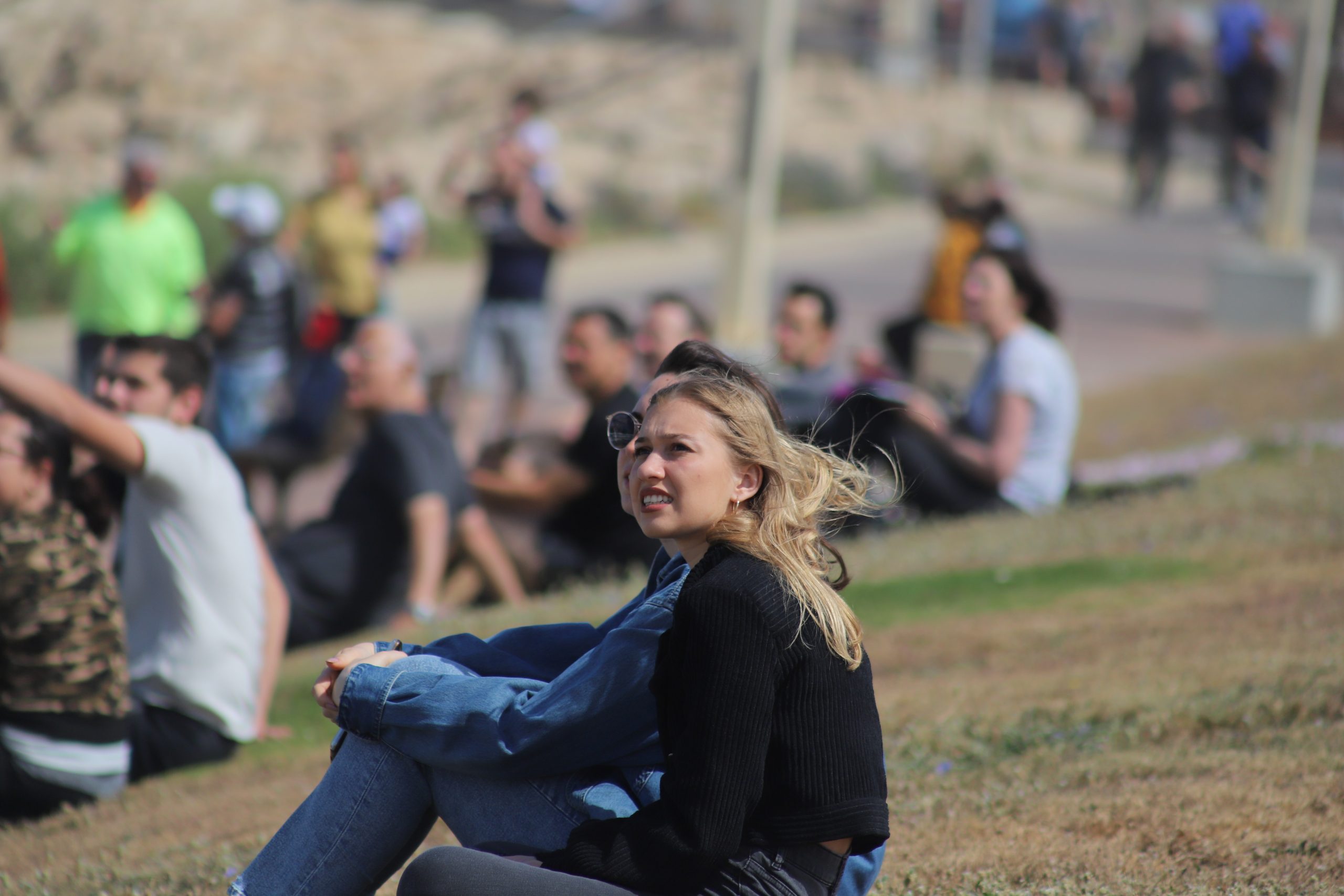
The image captures a candid summer moment, perfectly echoing the theme of how students spend their breaks. In the foreground, a young woman with sun-lit blonde hair sits on the grass, her black sweater catching a bit of breeze as she looks upward, almost as if following a sound or movement in the sky. She’s sitting close to another person in a denim jacket, both of them relaxed, legs crossed, half-leaning into the lazy rhythm of the afternoon. Behind them, a loose crowd fills the frame in soft focus—people scattered along a promenade, chatting, pointing, some standing, some sitting, all absorbed in their own summer pause.
The scene blends stillness and movement. You can feel the warmth of the day, the wind teasing at hair and jackets, and the sense of collective downtime—strangers sharing the same space, each with their own story. It’s not about grand adventures or glossy postcards, but about the quieter essence of a summer break: sitting in the grass, watching, listening, simply being. That mix of leisure and observation is as much part of the student summer as internships or travel—it’s the simple act of reclaiming time.
For many, the word “internship” dominates the conversation. There’s a quiet (or not-so-quiet) assumption that if you’re serious, you’ll have one lined up by April. Tech firms, finance shops, startups, NGOs, you name it—everyone is chasing a role that gives them a bullet point for the resume and, if lucky, some actual pay. The pressure is real. Land the right position and you feel like you’re on track; miss out, and it’s easy to think you’ve fallen behind before the year has even started.
Others take a different route: summer classes. They’re not glamorous, but they’re practical—catching up on a missed credit, lightening next year’s course load, or getting ahead to graduate early. Increasingly, these courses happen online, which means you can be at home, at a café, or even abroad and still check off requirements. There’s a kind of freedom in that, even if it ties you to assignments when your friends are off camping.
Travel and volunteering form another piece of the puzzle. Some students join structured programs that mix cultural immersion with service, a sort of “voluntourism” that doubles as both an adventure and a line on the CV. Others craft independent projects—research, writing, creative work, or entrepreneurial experiments. These summers often feel like mini-laboratories: a few months to test ideas and see what sticks before the next round of classes begins.
And then, there are students who don’t have the luxury of choice at all. For them, summer is about working full time—restaurants, retail, offices, warehouses—just to pay tuition or support family. Their break isn’t really a break, but a necessity. It’s an overlooked reality, but one that shapes the summer experience for a large share of students.
Still, in between all the structure and striving, there’s space carved out for something softer—recovery. Hanging out with friends, binge-watching shows, traveling with family, or just doing nothing for once. The irony is that those moments of unplanned, guilt-free rest often end up feeling the most valuable, even if they’re harder to justify in the language of resumes and productivity.
Summer for college students has become a mosaic: ambition and exhaustion, pressure and possibility, rest and recalibration. Not quite the endless lazy season we like to imagine, but maybe that mix is what makes it real.