There’s a strange shift happening in France — subtle enough to pass as policy, but loud enough to break the illusion of universal values. The Louvre, that global cathedral of art and one of the most recognizable cultural institutions on Earth, has decided that from January 2026, visitors from outside the European Union will pay €32 for entry. Until now, the standard ticket hovered around €22, regardless of whether you arrived from Lyon or Lima. A €10 jump may not look catastrophic on paper, but a 45% price hike aimed directly at non-EU visitors is more than just pricing strategy — it’s a tiered interpretation of equality.
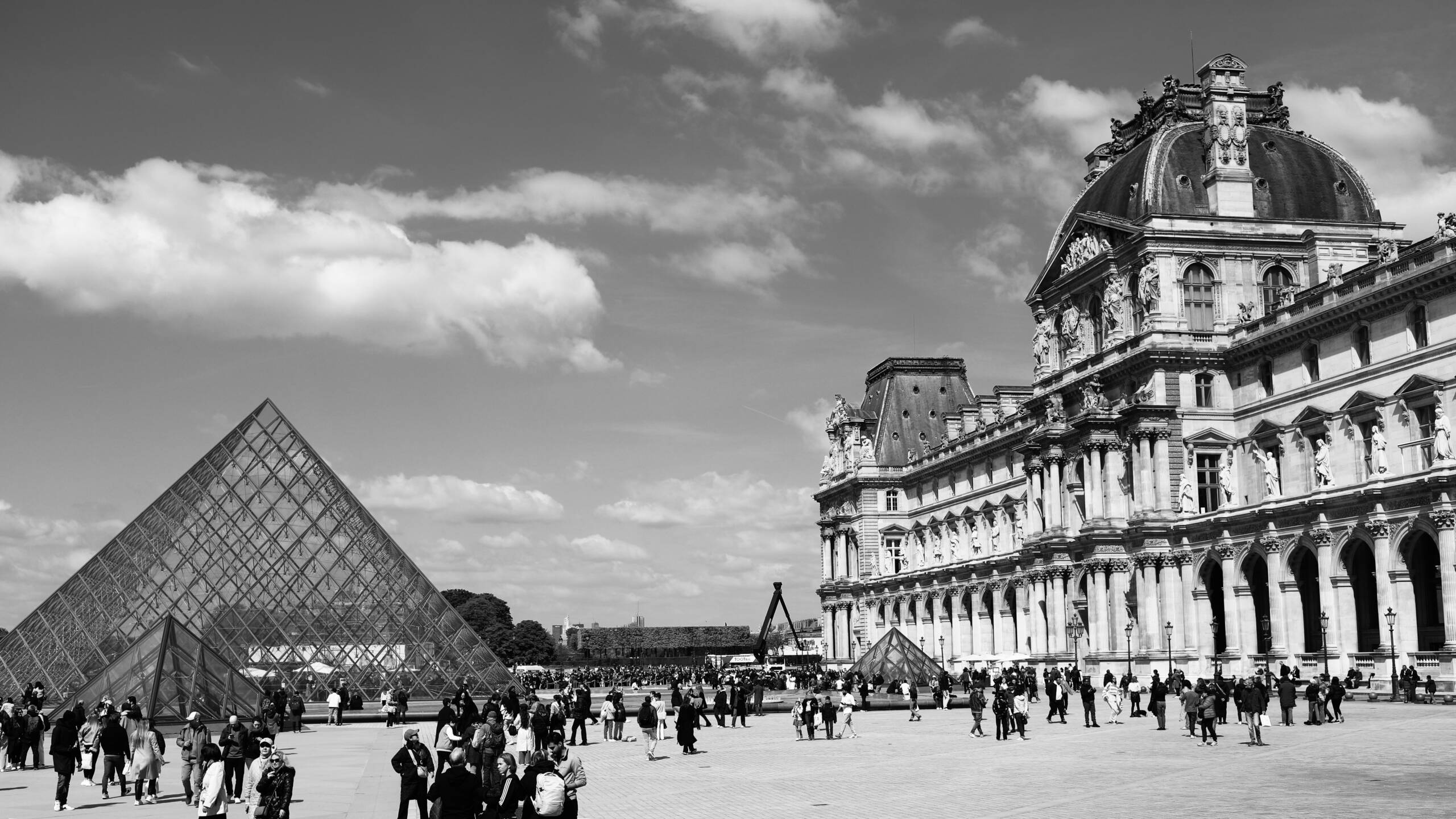
For decades, France wrapped itself proudly in the tricolor slogan of Liberté, Égalité, Fraternité. It wasn’t merely political branding; it was a philosophical export. Museums symbolized openness. Anyone — student, backpacker, immigrant, wealthy collector — could stand in front of the Mona Lisa and feel, even for a second, that culture belonged to everyone. Now entry comes with a quiet sorting mechanism: EU citizens pay the standard rate or benefit from age-based exemptions, while non-EU visitors get the upgraded invoice simply because their passport wasn’t printed within the right borders. The structure looks suspiciously like the premium vs. economy seating model airlines perfected years ago.
Of course, the official justification sounds polished. Renovations, modernization, rising operational cost, security enhancements — choose whichever explanation feels noblest that day. Tourism has surged, the argument goes, and price pressure is inevitable. Sure, maybe. But a price increase that applies almost exclusively to outsiders isn’t logistics; it’s a signal. It says: our culture is universal in theory, not necessarily in participation.
The irony is thick. France criticizes walls, nationalism, and exclusionist policies elsewhere, while slowly engineering its own version — softer, aesthetic, polite, wrapped in museum branding and funding rhetoric. This new pricing border isn’t enforced by guards, but by a number on a screen at checkout.
Maybe it works financially. Maybe nobody cancels their Paris trip over €10. The Louvre will still be packed, and Instagram will still fill with grainy Mona Lisa selfies. But symbolism matters. When a nation that spent centuries posturing as the defender of shared culture starts categorizing access based on citizenship, something shifts. Ideals bend. The word égalité becomes conditional — like a coupon valid only for certain regions.
And so the world’s most visited museum quietly joins a growing European trend: preferential pricing based not on need or fairness, but origin. The experience hasn’t changed. The art hasn’t changed. Only the welcome has — and it now comes with a surcharge for being from elsewhere.
Funny — the French Revolution once fought over privilege and exclusion. Two hundred and thirty-something years later, the battleground is a ticket to see the same artifacts of history. Only now the inequality doesn’t wear crowns. It prints receipts.