• Skip to main content
  • Skip to secondary menu
  • Skip to footer

Travel Marketing

Travel and Tourism Trends

  • Sponsored Post
  • Travel Event Calendar
  • Travel Market
  • Travel Magazine
  • About
  • Contact

Azulejos: the Portuguese ceramic tilework

January 24, 2023 By admin Leave a Comment

Azulejos, also known as Portuguese ceramic tilework, is a traditional form of art that has been a part of Portuguese culture for centuries. These decorative tiles, made of glazed ceramic, have been used to adorn the walls, floors, and facades of buildings and homes throughout Portugal.

The origins of azulejos can be traced back to the Moors, who introduced the technique of glazed tilemaking to Portugal during their occupation in the 12th century. The word “azulejo” comes from the Arabic word “al-zellige,” which means “polished stone.”

During the 15th and 16th centuries, azulejos began to be used extensively in Portugal, particularly in churches and palaces. The tiles were used to create intricate patterns and designs, depicting religious scenes, landscapes, and everyday life. They became a symbol of Portuguese culture and heritage.
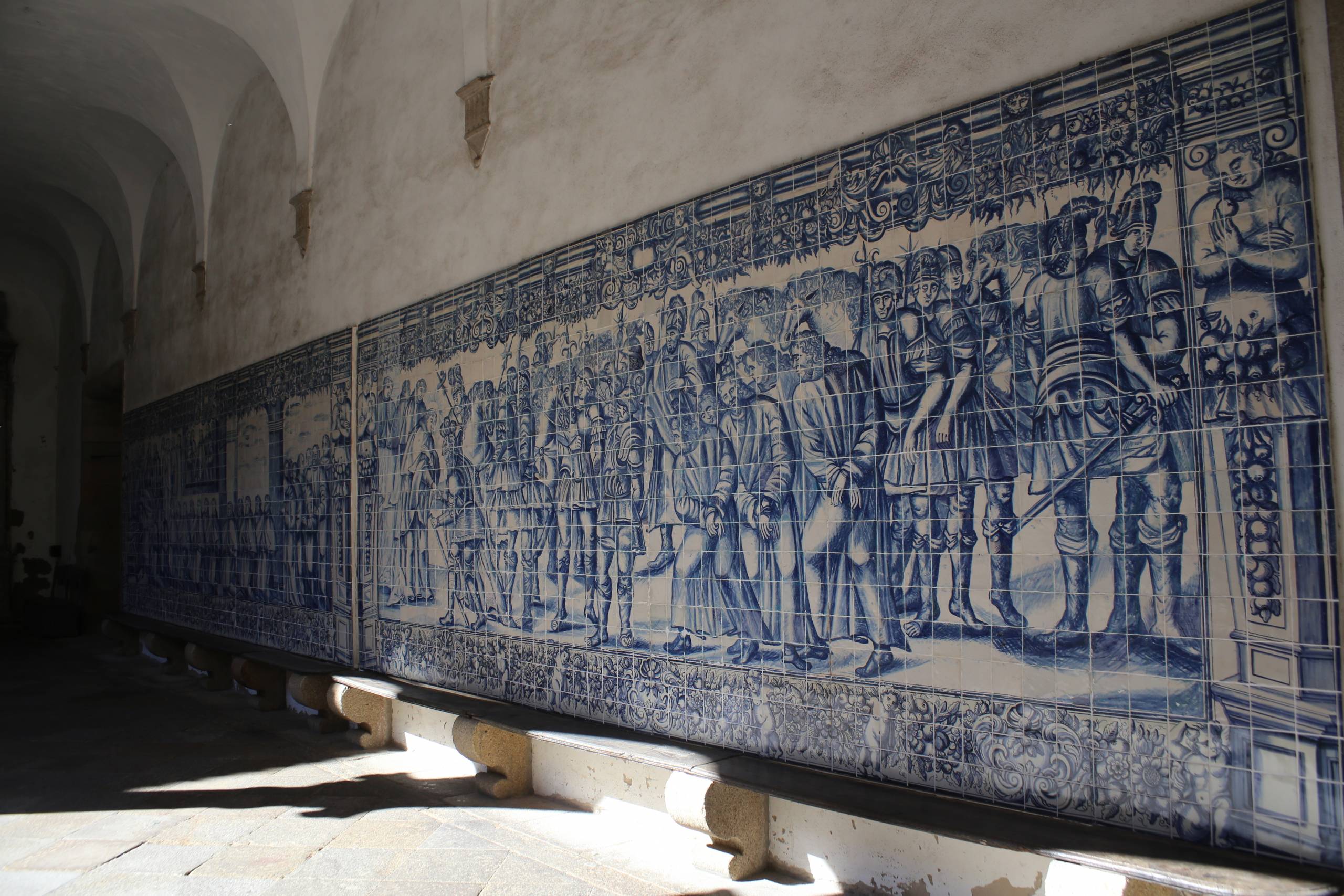
Azulejos: the Portuguese ceramic tilework

In the 17th and 18th centuries, azulejos reached their peak of popularity. They were used to decorate the walls of churches, monasteries, palaces, and even private homes. The tiles were also used to decorate the facades of buildings, creating a striking visual effect.

One of the most famous examples of azulejos can be found in the Mosteiro dos Jerónimos in Lisbon, where the tiles cover the entire facade of the church. Another notable example is the Convento do Carmo, also in Lisbon, where the tiles depict scenes from the life of the Virgin Mary.

Azulejos have also been used to create a number of public artworks, such as the Azulejo Museum in Lisbon, which displays a collection of azulejos from the 15th to the 18th centuries.

Over the years, the style of azulejos has evolved, with new techniques and designs being introduced. Today, azulejos can be found in a variety of styles, from traditional to modern. They are still widely used in Portugal, not just for decorative purposes but also for functional uses such as in bathrooms and kitchens.

In conclusion, azulejos are an important part of Portuguese culture and history. These beautiful ceramic tiles have adorned buildings and homes for centuries, creating a unique and striking visual effect. They are a symbol of the country’s rich heritage and continue to be a popular form of art today.

Filed Under: News

Reader Interactions

Leave a Reply Cancel reply

Your email address will not be published. Required fields are marked *

Footer

Recent Posts

  • Why Lisbon Cafés Are Putting Up No Laptops Signs: Coffee, Instagram, and the Remote Work Terrace
  • Four in Ten Travelers Visit Landmarks Mainly for the Photo: How Instagram and Reels Reshaped Tourism
  • Why Comporta Still Feels Empty: The Rice Estate Behind Portugal’s Most Coveted Beaches
  • Travel in 2026: Five Photos That Explain the Year’s Real Trends
  • Tiny Tourism: Why Travellers Are Choosing Towns Nobody Photographs
  • In Defence of the Hop-On Hop-Off Bus
  • EasyJet Agrees £5.7bn Apollo Takeover: What Changes for Passengers and What Doesn’t
  • Taormina Beach Guide: Mazzarò, Isola Bella, and What Nobody Tells You About the Pebbles
  • Juliet’s Balcony in Verona Was Added in the 1930s and the Crowds Do Not Care
  • St Mark’s Basilica in Venice: The Gold Mosaics Are Dimmer Than the Photographs Suggest

Media Partners

  • Virtual Travel Guide
  • Ancient Rome
Sintra at Noon, Venice at Midnight: Six European Cities and the Hour That Suits Them
Porto’s Chestnut Season Is the Shoulder Season Worth Booking
Venice at Night Is the Version No Access Fee Covers
The 18th-Century Fountain Hidden Inside Bordeaux’s Customs Museum Courtyard
The Bilbao Effect, 500 Years Early: Jerónimos Monastery And The Guggenheim
Bilbao’s Quiet Renaissance: From Industrial Port to Design Destination
Lisbon’s Seven Hills: A Walking Guide That Tells You the Truth
New Orleans: An American City That Plays by Different Rules
Ha Long Bay Without the Cruise Brochure
Istanbul at the Threshold: A City That Has Always Been Two Things at Once
Sponsored Post
About
Contact
Roman Concrete in Museum Fragments: What the Cross-Section Actually Shows
Roman Sarcophagi Spent More Time as Fountains and Church Tombs Than as Graves
Aquincum Museum Reconstructs 16 Roman Faces From Skulls Found on Budapest's Danube Frontier
Roman Public Latrines Reveal an Empire That Built Sanitation Without Achieving Hygiene
The Pont du Gard: Rome's Most Perfect Structure
Water Across the Empire: Roman Aqueducts and the Hydraulic Logic of Conquest
Who Cleaned Roman Rome: The Social Economy of Waste

Media Partners

  • Media Forum
  • Market Analysis
SanDisk (SNDK) Rallied 11.9% Into an S&P 100 Add That Forces Almost Nobody to Buy
Texas A&M Is Spending $11.8 Million on a Water Tower Before Its Semiconductor Institute Can Open
Cloudflare's September 15 AI Crawler Block Turns the Ad Tag Into an Access Key
Pedro Sánchez Lost Control at Ceuta and Blamed Everyone Else
Three European Cities Where Architecture and Festival Collide
Duane Davis Convicted in Tupac Shakur's 1996 Murder
AI Content Licensing in 2026: Who Is Actually Getting Paid, and Who Never Will
Google AI Overviews and the Publisher Traffic Collapse: What the 2026 Numbers Actually Show
NBCUniversal Puts Peacock Inside YouTube Premium, and Concedes Where the Audience Already Lives
Nexstar Owns Tegna and Isn't Allowed to Run It: Inside the Hold-Separate Order
The Immersive Experience in the Museum World
Japan, China, and Taiwan: A New Triangle of Risk — and a Window of Opportunity for Japan
Ghost Kitchens as Infrastructure: The Shift from Restaurants to Intelligent Food Networks
The Zoom Divide Nobody Saw Coming
The Perfect Budget Content-Creator Kit
Reimagining Prague’s Tourism Future Through Immersive Media and VR Museums
Israel’s Urban Paradox: Tel Aviv Moves, the Rest Stand Still
American Express Global Business Travel (GBTG): Understanding the Business and the Investment Case
Why the Canon R8 Paired With the New RF 45mm f/1.2 Lens Quietly Becomes the Content Creator’s Sweet-Spot
The Future of Travel: A $15.5 Trillion Industry

Copyright © 2026 Travel Marketing

Media Partners: Timey · Publishing House · Ancient Rome · Photography · Calendarial · Transportational