The World Food Travel Association has quietly but decisively flipped the table on how food, travel, and culture intersect, officially launching its Taste of Place Movement at a moment when culinary heritage feels especially fragile. Across continents, traditional foodways are thinning out under pressure from climate shifts, economic strain, rural depopulation, and the simple fact that fewer young people are inheriting the knowledge once passed down naturally at kitchen tables and open fires. This isn’t framed as nostalgia for the sake of it, either. The initiative leans forward, acknowledging that many small producers and culinary custodians aren’t failing because their work lacks value, but because visibility, digital reach, and infrastructure have lagged behind the modern world’s pace.
Taste of Place sets out to correct that imbalance by focusing on food as a deeply rooted expression of place rather than a consumable trend. The idea is refreshingly direct: connect people to authentic, local food experiences while ensuring the people who safeguard those traditions are no longer invisible. Erik Wolf, founder of the modern food tourism industry and Executive Director of the WFTA, describes the project as filling a gap that mainstream food and travel platforms simply don’t address. Authenticity, cultural integrity, and social purpose aren’t add-ons here; they’re the point. The tone is less about glossy lists and more about preserving something that, once gone, doesn’t come back easily.
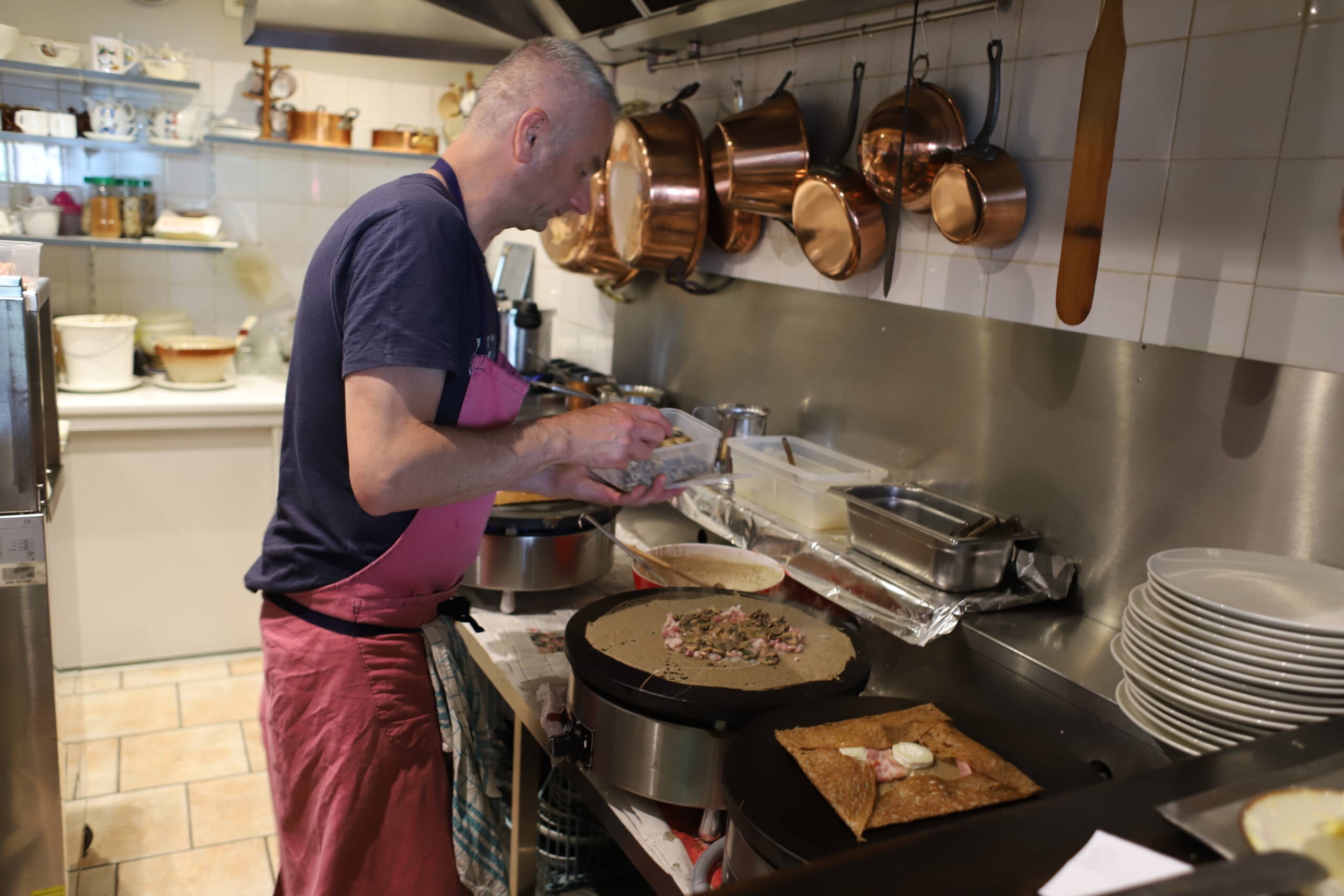
The Art of Savory Galettes, Nantes, France, Shot with Canon R100 and a TTArtisan 50mm f/1.2
Building something this ambitious, though, requires more than good intentions. The WFTA is openly inviting individuals, organizations, and food lovers to support the platform as it takes shape, positioning early supporters not just as donors but as participants in the foundation itself. The vision includes a global directory that makes it easier to discover local food experiences and producers, a living digital encyclopedia that documents dishes, ingredients, and traditions region by region, and a global magazine focused on communities and people typically overlooked by mainstream coverage. There’s also a community-driven aspect, allowing contributors to help shape the content directly, which feels important in avoiding the top-down storytelling that often flattens local nuance.
Supporters are promised early privileges that go beyond passive access, including the ability to nominate culinary heritage guardians and, later on, to feature their own stories and knowledge on the platform once it goes live. For those in the United States, there’s also a practical note: contributions may be tax-deductible, as the WFTA operates as a registered 501(c)(3) nonprofit. It’s a detail, yes, but one that signals this isn’t a fleeting campaign or a branding exercise—it’s structured to last.
What lingers after reading about Taste of Place is the sense that this is less a website launch and more an invitation to participate in cultural stewardship. Wolf frames it plainly: this is about honoring the flavors, skills, and stories that make every place distinct, and doing so collectively, from the ground up. It carries a quiet urgency, the kind that doesn’t shout but still insists that if these food cultures matter to us, now is the time to act.
Leave a Reply